
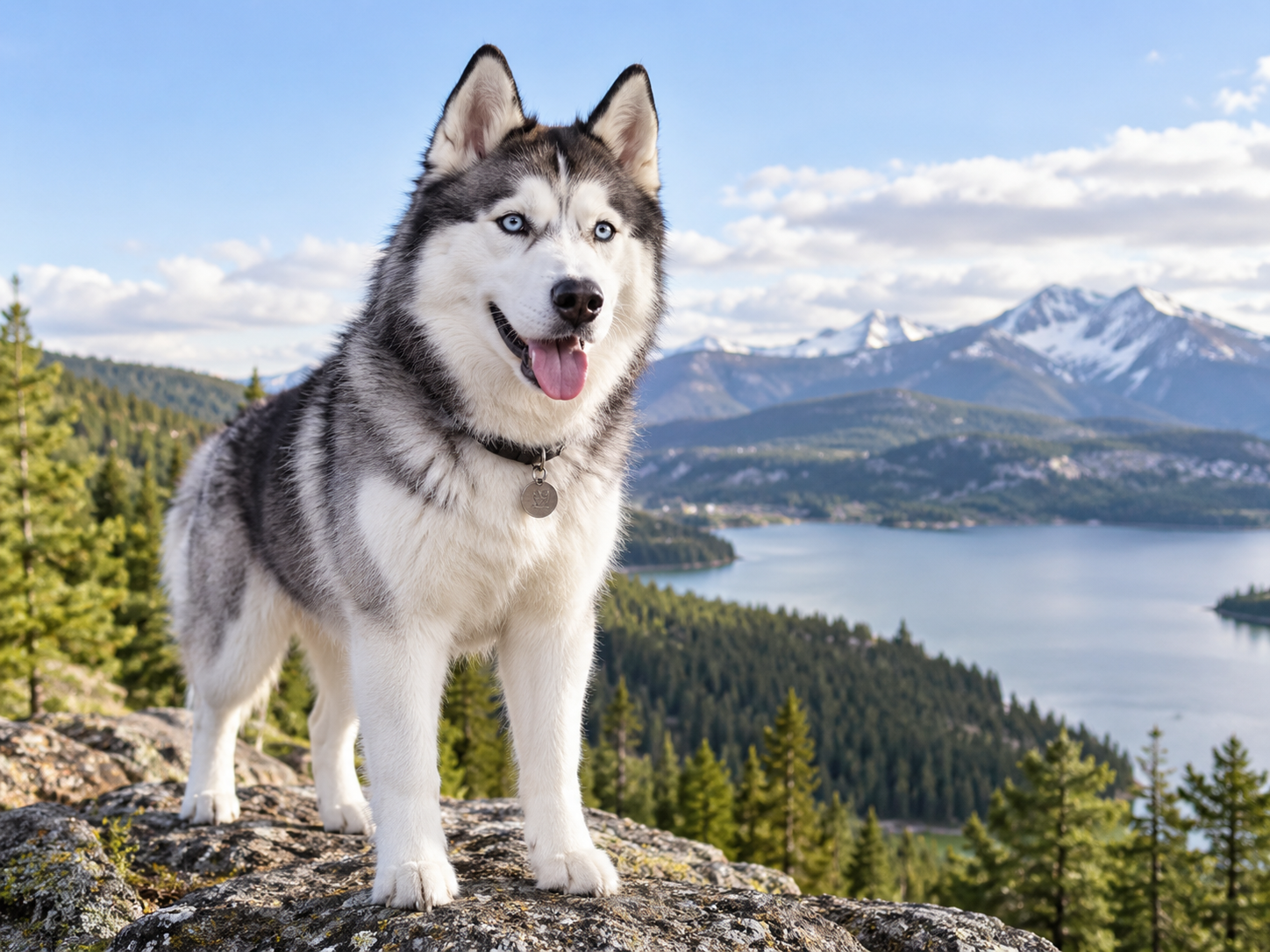
Bringing a dog into your home can be exciting, but it also comes with daily responsibilities. Dogs depend on their owners for food, water, exercise, safety, training, grooming, and healthcare.
If you are a first-time dog owner, you do not need to make pet care complicated. A few consistent habits can help your dog feel safe, comfortable, and well cared for.“These simple dog care tips can help new owners build a safe and healthy daily routine for their pets.”
Here are seven simple dog care tips every new dog owner should know.
Table of Contents
1. Create a Consistent Feeding Routine
A regular feeding schedule can make everyday dog care much easier.
Instead of leaving food available all day, many owners find it helpful to offer meals at consistent times. The right feeding schedule depends on your dog’s age, size, health, activity level, and the type of food you use.
Choose a complete dog food that is appropriate for your dog’s life stage and follow the feeding instructions on the package as a starting point.
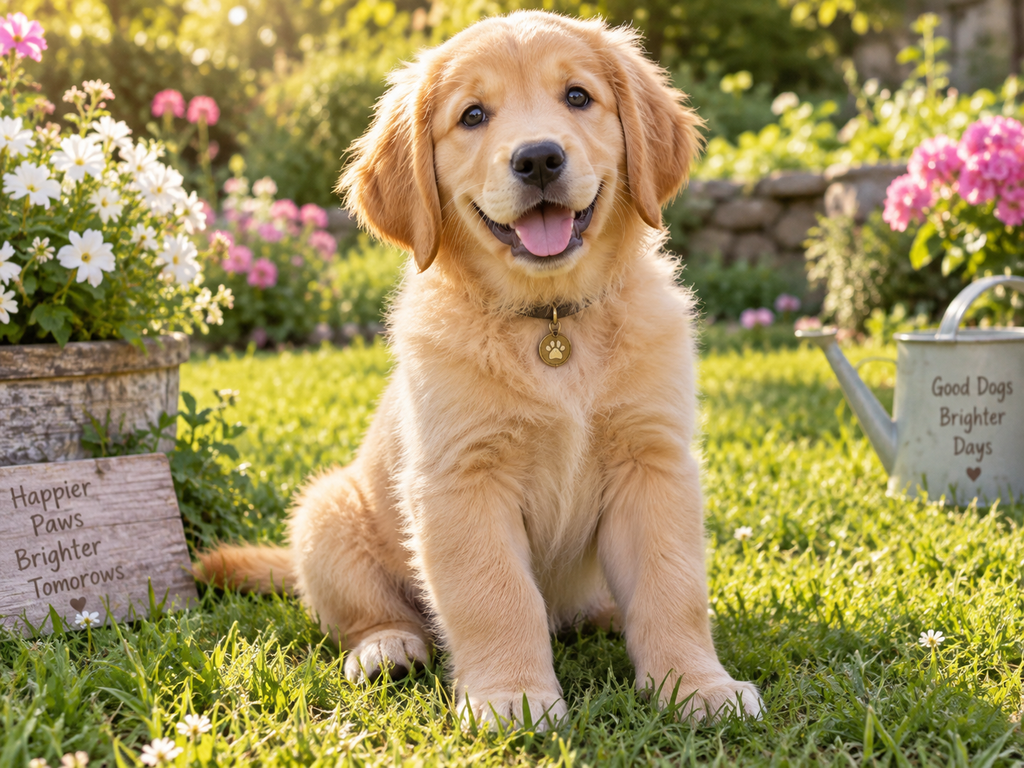
2. Provide Fresh, Clean Water Every Day
Your dog should always have access to clean drinking water.
Check the water bowl several times throughout the day, especially during warm weather or after exercise.
Wash the bowl regularly because dirt, food particles, and saliva can build up inside it.
Place the water bowl somewhere your dog can easily reach without having to compete with other pets.
When traveling or going for longer walks, carry water for your dog whenever necessary.
Fresh water is one of the simplest parts of dog care, but it should never be overlooked.
3. Make Exercise Part of the Daily Routine
Dogs need regular physical activity, but the amount and type of exercise varies from one dog to another.
A young, energetic dog may enjoy longer walks and active play, while an older dog may be more comfortable with shorter and gentler activities.
Simple exercise options include:
- Daily walks
- Playing fetch
- Exploring a secure yard
- Gentle games indoors
- Short training sessions
- Walking in dog-friendly outdoor areas
Exercise is not only about physical activity. Walks and playtime also give dogs opportunities to explore, smell their surroundings, and spend time with their owners.
Avoid pushing your dog beyond its comfort level. Puppies, senior dogs, dogs with health problems, and certain breeds may have special exercise needs.
Pay attention to signs of tiredness and provide rest when your dog needs it.
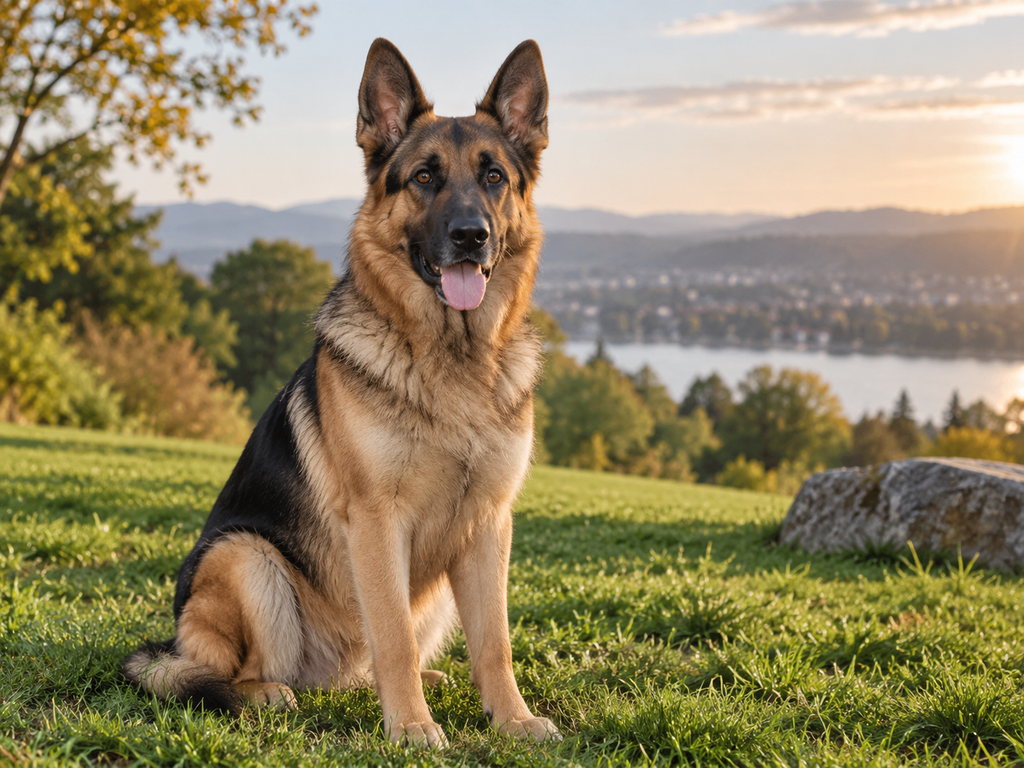
4. Keep Up With Basic Grooming
Regular grooming helps keep your dog comfortable and also gives you an opportunity to notice changes in its skin, coat, ears, paws, or nails.
Basic grooming may include:
- Brushing the coat
- Checking the ears
- Keeping nails at a safe length
- Cleaning dirty paws
- Bathing when needed
- Looking for unusual lumps, irritation, or skin changes
How often a dog needs brushing or bathing depends greatly on its coat and lifestyle.
Long-haired dogs generally need more frequent coat maintenance than some short-haired breeds.
Do not use human shampoo or other personal-care products on your dog unless a veterinarian specifically says they are safe. Products designed for people may not be appropriate for a dog’s skin.
Dental care is also worth discussing with your veterinarian. Establishing a suitable dental-care routine early can make it easier to maintain as your dog gets older.
5. Create a Safe and Comfortable Home Space
Dogs need a place where they can rest without being constantly disturbed.
Choose a quiet area of your home for your dog’s bed, crate, or resting space.
Keep the area clean, comfortable, and away from obvious hazards.
New dog owners should also check their homes for things a curious dog might chew, swallow, knock over, or reach.
Common household items that may need to be secured include:
- Electrical cords
- Household cleaners
- Medicines
- Small objects
- Trash
- Certain foods
- Sharp objects
- Toxic household or garden products
Keep potentially dangerous items out of your dog’s reach.
If you have a yard, make sure gates and fences are secure before allowing your dog to explore freely.
A safe environment reduces unnecessary risks and helps a new dog settle into the household.
6. Start Training With Simple Commands
Training should begin with simple, useful behaviors rather than complicated tricks.
Commands and skills such as these are useful for everyday life:
- Sit
- Stay
- Come
- Leave it
- Walking calmly on a leash
- Going to a designated resting place
Keep training sessions short and consistent.
Rewarding the behavior you want with praise, play, or an appropriate treat can help your dog understand what you are asking.
Avoid expecting instant results. Dogs learn at different speeds, and repeating the same rules consistently is important.
Everyone in the household should try to follow similar rules. If one person allows a behavior while another person discourages it, the dog may become confused.
Training can also provide mental stimulation and strengthen communication between you and your dog.
If your dog shows serious fear, aggression, or other difficult behavior, consider asking a qualified veterinarian or professional dog trainer for guidance rather than trying risky techniques on your own. Consistent training is one of the most practical dog care tips for helping a new dog understand everyday routines and boundaries.
https://www.youtube.com/watch?v=YdPAVABtcy0
7. Schedule Regular Veterinary Care
Veterinary care is an important part of responsible dog ownership.
The American Veterinary Medical Association recommends regular veterinary examinations, vaccinations, and parasite prevention as part of responsible pet care.
“American Veterinary Medical Association”https://www.avma.org/
AVMA Responsible Pet Ownership guide
Do not wait until your dog appears seriously sick before establishing veterinary care.
Your veterinarian can advise you about matters such as:
- Routine health examinations
- Vaccinations
- Parasite prevention
- Dental health
- Nutrition
- Weight
- Spaying or neutering
- Age-related health needs
Your dog’s healthcare schedule will depend on factors including age, health, lifestyle, and local disease risks.
You should also learn what is normal for your dog.
Changes in appetite, drinking, energy, breathing, walking, bathroom habits, or behavior can sometimes indicate a problem.
Contact a veterinarian if you notice concerning or persistent changes rather than relying only on information found online.
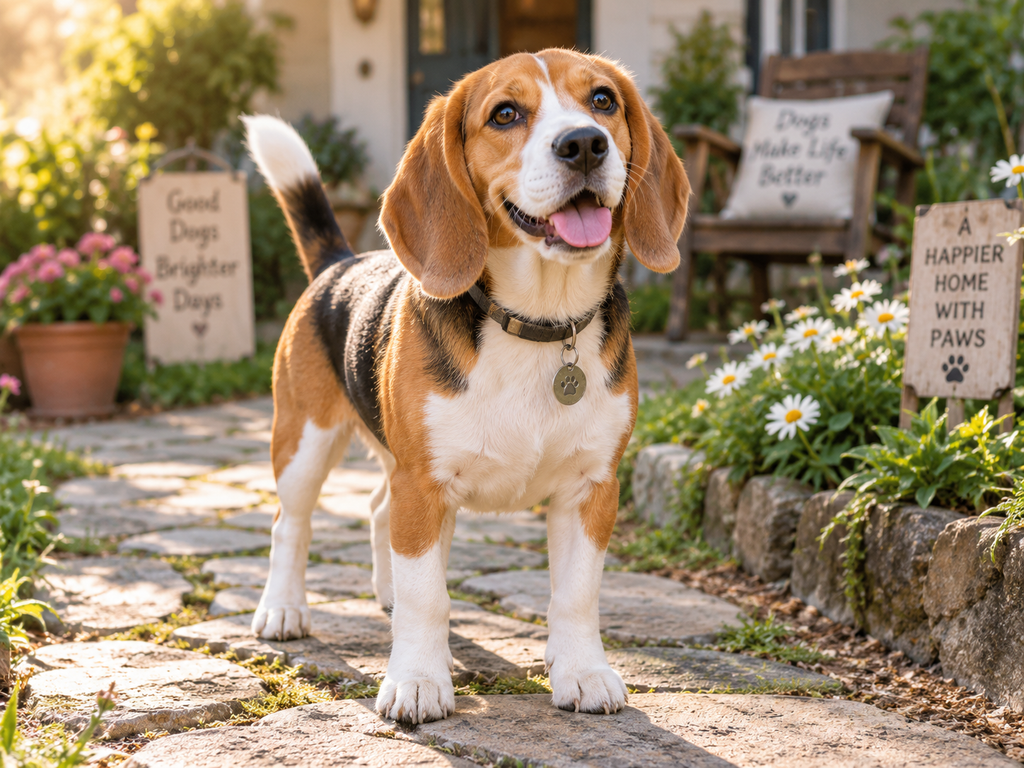
“Extra Dog Care Tips for First-Time Dog Owners”
Owning a dog is not only about providing food and shelter. Dogs also need patience, attention, social interaction, and a predictable routine.
Try to keep daily activities such as meals, walks, bedtime, and bathroom breaks reasonably consistent.
Make sure your dog has appropriate toys and opportunities for mental stimulation.
Identification is also important. Depending on where you live, this may include an identification tag, registration, or microchip.
Finally, learn about your individual dog instead of assuming every dog needs exactly the same routine.
Breed, age, personality, health, previous experiences, and activity level can all influence a dog’s needs.
Common Mistakes New Dog Owners Should Avoid
First-time owners sometimes make small mistakes simply because they do not know what to expect.
Try to avoid:
- Changing food suddenly without guidance
- Giving excessive treats
- Skipping daily activity
- Ignoring grooming
- Leaving dangerous household items within reach
- Using inconsistent training rules
- Punishing a frightened dog
- Ignoring noticeable health changes
- Skipping routine veterinary care
Creating good habits early is usually easier than correcting problems later.
Final Thoughts
Taking care of a dog does not have to be overwhelming.“Following these dog care tips consistently can make everyday pet care easier for both you and your dog.”
Start with the basics: provide suitable food, fresh water, regular exercise, grooming, a safe home environment, consistent training, and appropriate veterinary care.
Most importantly, pay attention to your individual dog’s needs.
A simple and consistent routine can help your dog feel secure while making life easier for you as a new owner.
Good dog care is not about being perfect. It is about being responsible, observant, and willing to adjust your routine as your dog’s needs change.
Frequently Asked Questions.
How often should I feed my dog?
Feeding frequency depends on your dog’s age, health, size, and diet. Follow the instructions for your chosen dog food and ask your veterinarian if you are unsure about the best schedule.
How much exercise does a dog need?
There is no single amount that suits every dog. Exercise needs vary according to breed, age, health, size, and energy level.
How often should I bathe my dog?
Bathing frequency depends on your dog’s coat, skin, activities, and health. Bathing too often may not be suitable for every dog, so ask a groomer or veterinarian if you are unsure.
When should a new dog visit the veterinarian?
It is sensible to establish veterinary care soon after bringing home a new dog, especially when you need to confirm its health history, vaccination status, nutrition, or preventive-care needs.
What should a first-time dog owner buy?
Basic supplies usually include appropriate dog food, food and water bowls, a collar or harness, leash, identification, a comfortable bed, safe toys, grooming supplies, and any veterinarian-recommended healthcare products.
Final Thoughts
Building a consistent routine can make everyday responsibilities easier. You may also like our guide to simple daily habits.