
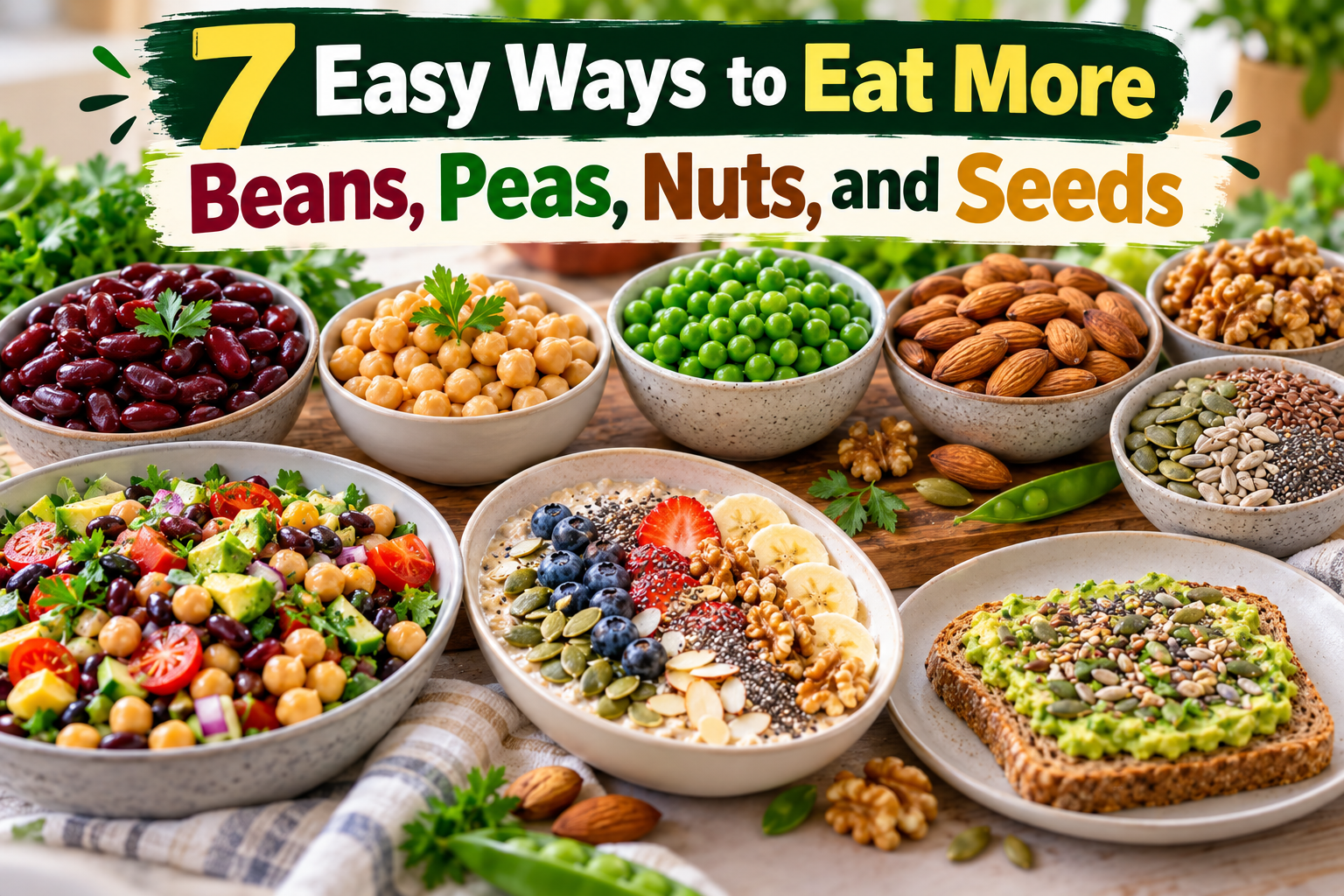
Beans, peas, nuts, and seeds are versatile foods that can make everyday meals more varied and nutritious. They can be added to breakfast, lunch, dinner, snacks, salads, soups, and simple homemade meals without requiring complicated preparation. They also fit into many different eating patterns, including vegetarian and plant-focused diets.
If these foods are not already part of your regular meals, there is no need to change everything at once. A few small habits can make it easier to eat more beans, peas, nuts, and seeds throughout the week. You can add beans to familiar recipes, sprinkle seeds over breakfast, keep nuts available for snacks, or mix peas into dishes you already enjoy.
Beans, peas, lentils, nuts, and seeds are included among the protein food choices highlighted by USDA MyPlate. Many of these foods can also contribute fiber and other nutrients to the overall diet.
Table of Contents
Why Eat More Beans, Peas, Nuts, and Seeds?
One reason to eat more beans, peas, nuts, and seeds is that these foods can add variety to meals. Beans and peas can work in soups, salads, wraps, curries, and grain bowls, while nuts and seeds can be added to breakfast foods, snacks, and salads.
Beans and peas are also useful plant-based foods that can provide protein and fiber. Nuts and seeds provide protein along with unsaturated fats and other nutrients.
The goal is not to rely on one particular food. Instead, including several different options throughout the week can help create a more varied eating pattern.
1. Add Beans to Soups and Stews
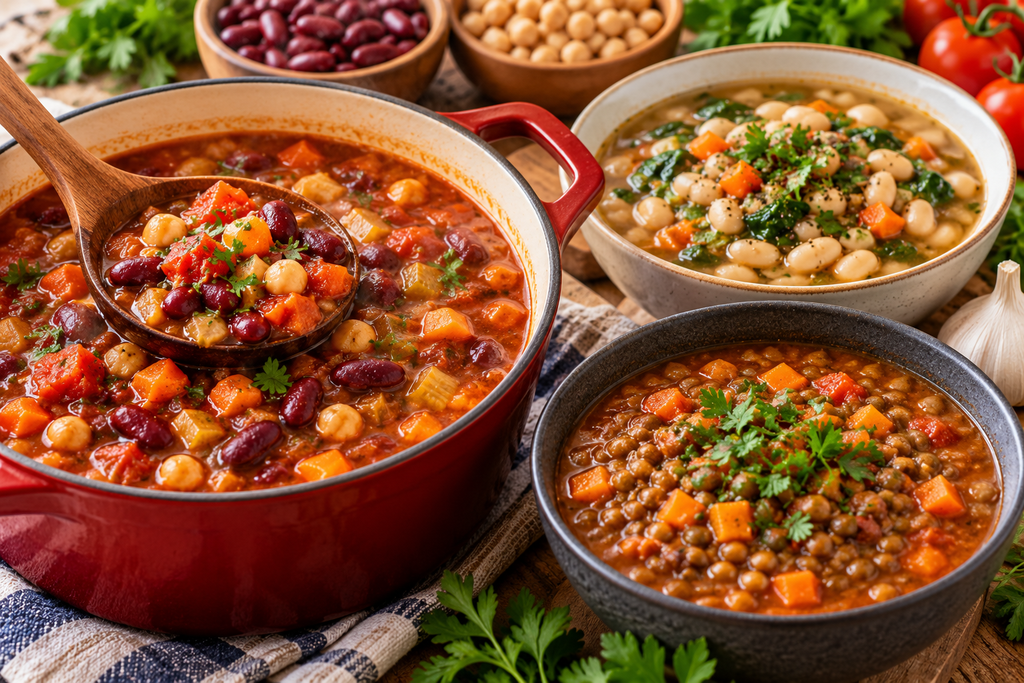
One of the easiest ways to eat more beans, peas, nuts, and seeds is to add beans to meals you already prepare.
Black beans, kidney beans, chickpeas, white beans, and other varieties can work well in soups and stews. They can add texture and make a simple meal more substantial.
For example, you could add kidney beans to a vegetable stew or chickpeas to a tomato-based soup. Beans can also be added to chili, where they pair naturally with vegetables, herbs, and spices.
If you use canned beans, look for options with little or no added sodium when available. Rinsing canned beans can also help remove some of the liquid and excess sodium.
This approach is practical because you do not need to create a completely separate meal. Simply add beans to something you already enjoy.
2. Mix Peas Into Everyday Meals
Peas are another simple food to incorporate into regular meals. Frozen peas can be especially convenient because they can be stored for longer periods and added directly to many cooked dishes.
Try mixing peas into rice, pasta, soups, vegetable dishes, or homemade casseroles. You can also add them to a grain bowl alongside vegetables and another protein source.
A small serving of peas can add color and texture without changing the entire recipe.
For people who find it difficult to plan meals from scratch, keeping frozen peas available can be an easy strategy. When preparing dinner, simply check whether peas would work with the dish.
3. Sprinkle Nuts Over Breakfast Foods
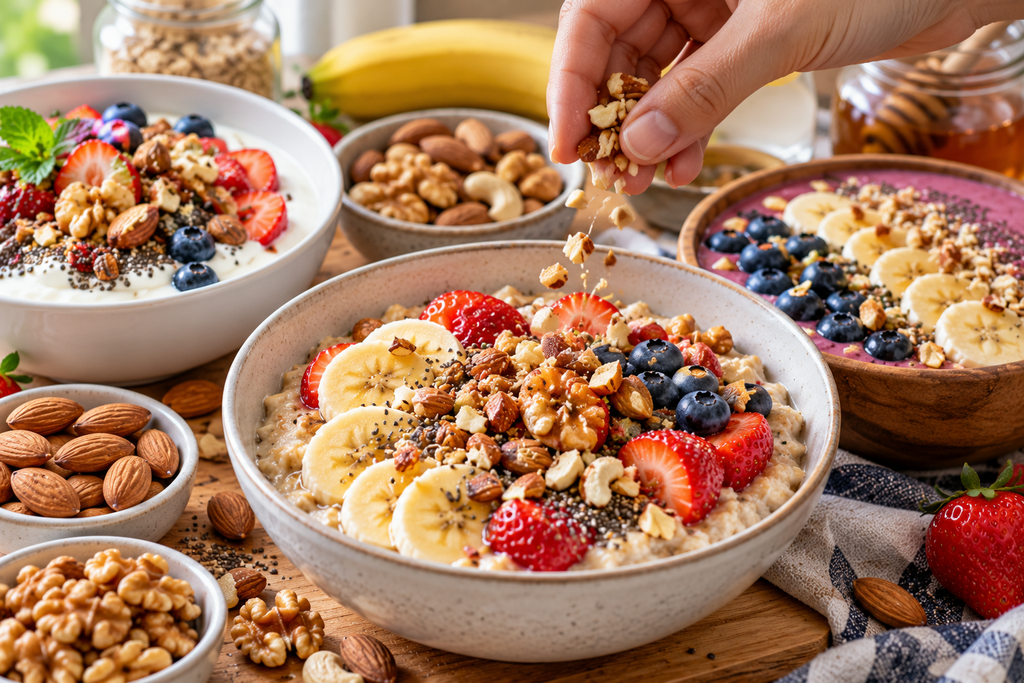
Nuts can make a simple breakfast more interesting. Add almonds, walnuts, peanuts, pistachios, and other nuts to oatmeal, yogurt, cereal, or whole-grain breakfast bowls.
For example, you can add chopped walnuts to oatmeal or sprinkle sliced almonds over plain yogurt with fruit. Peanut butter can also be spread on whole-grain toast or added to oatmeal.
When choosing nut products, check the ingredient list and nutrition label. Some flavored or sweetened products can contain added sugars or large amounts of sodium.
A small portion can be enough to add texture and flavor. You do not need a large quantity to make nuts part of your routine.
4. Add Seeds to Yogurt and Oatmeal
Seeds are another convenient way to increase variety. Chia seeds, flaxseeds, pumpkin seeds, sunflower seeds, and sesame seeds can be added to many everyday foods.
Try sprinkling seeds over oatmeal, yogurt, salads, or smoothie bowls. You can also use them as a topping for roasted vegetables or homemade grain bowls.
Seeds are particularly useful because they require little preparation. Keeping a small container in the kitchen can make them easier to remember.
Different seeds have different nutrient profiles, so rotating several varieties can add more diversity to your meals.
For example, you might use chia seeds with breakfast one day and pumpkin seeds on a salad later in the week.
5. Use Beans and Peas in Salads
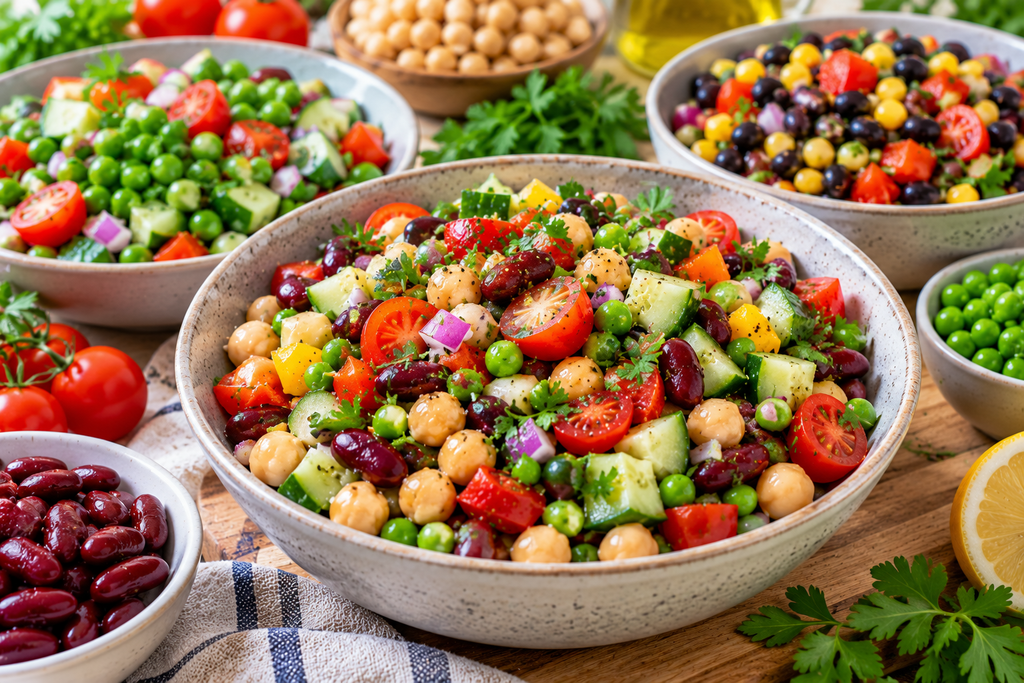
Salads do not have to consist only of leafy greens and vegetables. Beans and peas can turn a simple salad into a more filling meal.
Try adding chickpeas to a cucumber and tomato salad, black beans to a corn and vegetable salad, or green peas to a mixed vegetable salad.
You can also combine beans with whole grains such as quinoa or brown rice. Add vegetables and a simple dressing to create a convenient meal.
This is a useful strategy for people who want to eat more beans, peas, nuts, and seeds without preparing complicated recipes.
Leftover beans from another meal can also be used in a salad the next day, helping reduce food waste.
6. Keep Nuts and Seeds Ready for Snacks
Convenience plays an important role in everyday eating habits. If healthy foods are difficult to access, you may be less likely to choose them when you are hungry.
Keeping small portions of nuts and seeds ready can make them easier to include in your day.
You could prepare small containers with almonds, walnuts, pumpkin seeds, or a mixture of nuts and seeds. They can be kept in a suitable place at home or packed for a busy day.
However, portion size still matters because nuts and seeds are energy-dense foods. Eating a reasonable portion alongside other nutritious foods can fit into a balanced eating pattern.
You can also pair nuts with fruit or plain yogurt for a simple snack.
“Combine Them With Other Healthy Foods”
7. Replace Some Less Nutritious Options
Another practical way to eat more beans, peas, nuts, and seeds is to use them in place of some foods that provide fewer useful nutrients.
For example, chickpeas can be used in a homemade spread or added to a sandwich instead of relying on a heavily processed filling. Nuts and seeds can replace some highly processed snack foods.
This does not mean you need to eliminate favorite foods. Instead, think about simple swaps that make sense for your normal routine.
Small changes are often easier to maintain than strict rules.
Make These Foods Part of Your Weekly Routine
Knowing what to eat is only part of the process. Making these foods easy to access can help turn an intention into a habit.
At the beginning of the week, choose a few foods from each group. You might buy chickpeas and lentils, keep frozen peas available, and select two types of nuts and seeds.
Then decide where they will fit into your existing meals.
For example:
- Monday: Chickpeas in a salad
- Tuesday: Walnuts added to oatmeal
- Wednesday: Peas mixed into rice
- Thursday: Pumpkin seeds added to yogurt
- Friday: Black beans in a wrap
- Saturday: Almonds with fruit
- Sunday: Lentils in a soup
This does not need to be a strict meal plan. It is simply a way to make variety easier.
Choose Different Types Instead of Eating the Same Food
Variety matters. Instead of eating the same bean or seed every day, rotate different options.
For beans, you might use chickpeas, black beans, kidney beans, and white beans. For nuts, try almonds, walnuts, pistachios, or peanuts. For seeds, rotate pumpkin, chia, flax, sunflower, or sesame seeds.
Different foods have different textures, flavors, and nutrient combinations. Rotating them can also keep meals from becoming boring.
Harvard Nutrition Source notes that legumes, nuts, seeds, and other plant foods can contribute protein as part of a varied eating pattern.
Combine Them With Other Healthy Foods
Beans, peas, nuts, and seeds do not have to be eaten alone. They can become part of balanced meals that also contain vegetables, whole grains, fruits, and other nutritious foods.
For example, a lunch bowl could contain chickpeas, brown rice, leafy greens, tomatoes, and a simple dressing. Breakfast could combine oats, yogurt, fruit, walnuts, and chia seeds.
Thinking about the entire meal rather than one ingredient can make healthy eating more practical.
The Harvard Healthy Eating Plate also emphasizes building meals around vegetables and fruits, whole grains, and healthy protein choices.
Common Mistakes to Avoid
One common mistake is trying to add too many new foods at once. If your current diet contains very few beans, peas, nuts, or seeds, suddenly eating large amounts may be uncomfortable for some people.
Start gradually and increase portions according to your individual tolerance.
Another mistake is assuming that every packaged product containing nuts or seeds is automatically a healthy choice. Some products can contain added sugars, sodium, or other ingredients. Reading the nutrition label can help you compare options.
It is also easy to overlook portion sizes. Nuts and seeds are nutrient-rich but relatively energy-dense, so reasonable portions can be useful.
Finally, do not feel that you need to eat every type of bean, pea, nut, and seed. Choose foods you enjoy and can realistically include in your normal routine.
Frequently Asked Questions
How can I eat more beans every day?
Start by adding beans to meals you already eat. Try chickpeas in salads, black beans in wraps, kidney beans in soups, or lentils in curries and stews.
Are peas a good addition to everyday meals?
Yes. Peas can be added to rice, soups, pasta, salads, and vegetable dishes. Frozen peas can also be convenient for quick meals.
What are easy ways to eat more nuts?
Add nuts to oatmeal, yogurt, cereal, salads, or fruit. You can also keep reasonable portions available for snacks.
Which seeds are easy to add to meals?
Chia, flax, pumpkin, sunflower, and sesame seeds can be added to foods such as oatmeal, yogurt, salads, smoothies, and grain bowls.
Can beans and nuts be part of the same diet?
Yes. Beans and nuts can both fit into a varied eating pattern. They provide different textures and nutrient combinations and can be used in different meals.
Do I need to eat beans, peas, nuts, and seeds every day?
Not necessarily. The overall eating pattern matters more than including every food every day. Rotating different foods throughout the week can provide variety.
Final Thoughts
Learning to eat more beans, peas, nuts, and seeds does not require a complicated meal plan. Simple additions can make these foods part of your normal routine.
Add beans to soups and salads, mix peas into familiar meals, sprinkle nuts over breakfast, and use seeds as toppings for yogurt, oatmeal, and salads. Keeping convenient options available can make these habits easier to maintain.
The main idea is to focus on variety and consistency, not perfection. Choose foods you enjoy, introduce them gradually, and find simple ways to include them in meals you already prepare.
Over time, these small changes can help create a more varied eating pattern while making everyday meals more interesting.
General educational disclaimer: This article is for general educational purposes and is not a substitute for individualized medical or nutrition advice. People with specific medical conditions, food allergies, digestive concerns, or special dietary requirements should consult a qualified healthcare professional.
You may also like our guide to simple healthy eating habits for building a more balanced everyday routine.