
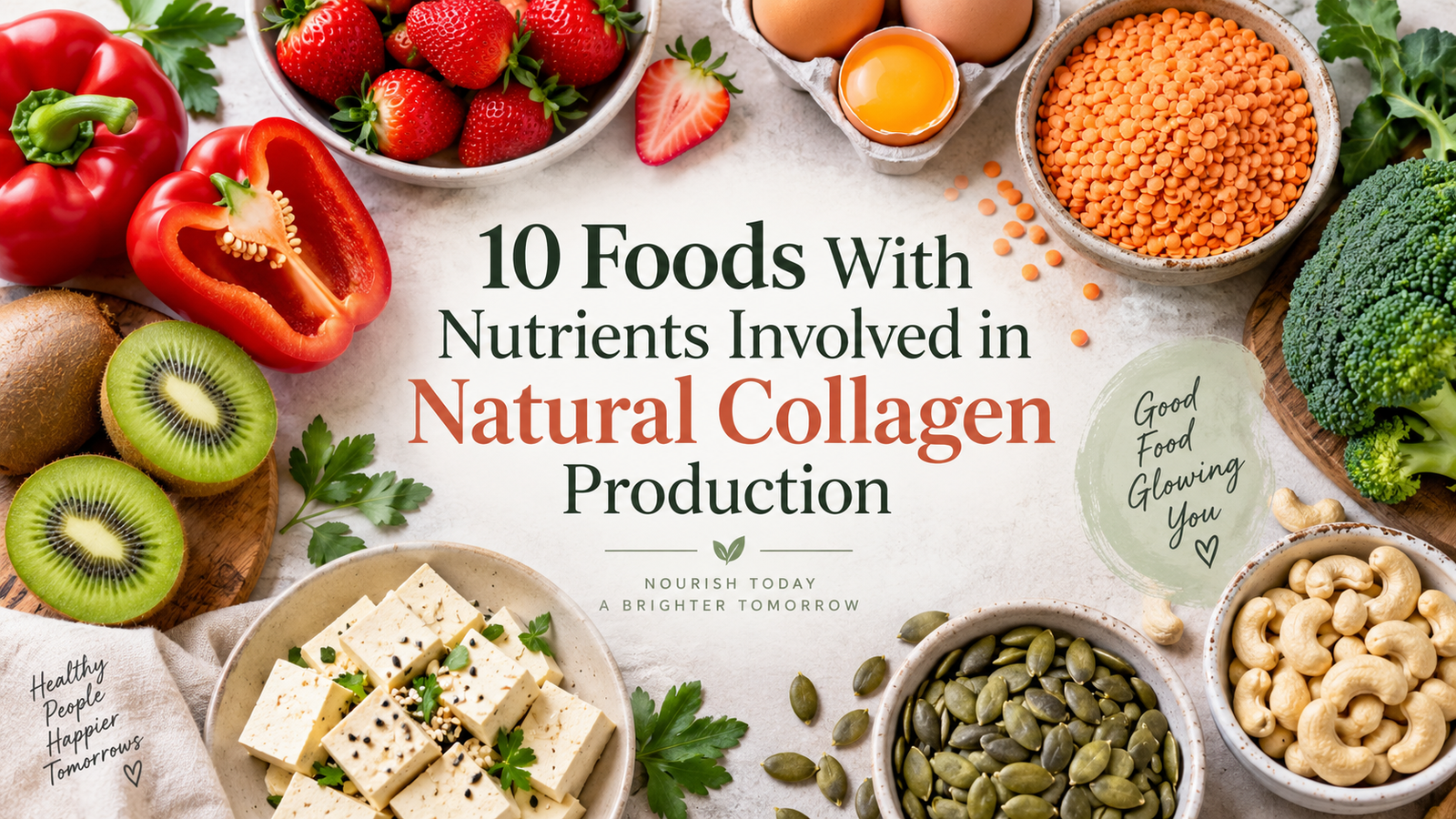
Natural collagen production depends on adequate protein, vitamin C, zinc, copper, and other nutrients your body needs to maintain healthy tissues.
Table of Contents
1. Red Bell Peppers: A Vitamin C-Rich Vegetable
Red bell peppers are a practical choice when you want to increase vitamin C intake without depending entirely on citrus fruits.
According to the NIH, half a cup of raw red bell pepper provides approximately 95 milligrams of vitamin C. Vitamin C is essential for making collagen and maintaining normal connective tissue.
Nutrients That Support Natural Collagen Production
Health Professional Fact Sheet
Bell peppers are also versatile, relatively easy to prepare, and suitable for many everyday meals.
Easy ways to eat them: Add chopped peppers to an omelet, serve raw strips with hummus, mix them into a lentil salad, or include them in a chicken and vegetable wrap.
You can cook bell peppers, but prolonged cooking may reduce some of their vitamin C content. Including both raw and cooked vegetables throughout the week is a practical approach.
For a simple meal combination, pair sliced red peppers with eggs, tofu, chicken, or chickpeas. This provides vitamin C alongside protein from another food.

2. Kiwifruit: A Convenient Source of Vitamin C
Kiwifruit is another useful option for supporting adequate vitamin C intake.
One medium kiwi provides approximately 64 milligrams of vitamin C, according to the NIH nutrient reference.
Health Professional Fact Sheet
You can eat it without cooking, making it a convenient choice when you want to include vitamin C-rich produce in a busy routine.
Easy ways to eat it: Slice kiwi over plain yogurt, add it to a fruit bowl, serve it alongside breakfast, or pack it as part of a snack.
For a more filling breakfast, combine kiwi with plain Greek yogurt and oats. Yogurt contributes protein, while kiwi supplies vitamin C.
If kiwi is expensive or unavailable, oranges, strawberries, or bell peppers are reasonable alternatives.
The important habit is regularly including vitamin C-rich fruits and vegetables, not depending on one particular fruit.
3. Strawberries: Vitamin C With Everyday Versatility
Strawberries are a familiar fruit that can help you meet your vitamin C needs.
Half a cup of sliced strawberries contains approximately 49 milligrams of vitamin C. They can contribute to a varied diet without requiring special preparation.
Health Professional Fact Sheet
Fresh strawberries are convenient, but frozen strawberries can also be useful when they are more affordable or easier to store.
Easy ways to eat them: Add strawberries to oatmeal, serve them with yogurt, combine them with other fruit, or use them in a homemade smoothie.
For a balanced snack, try plain yogurt topped with strawberries and a small amount of oats.
Choose unsweetened frozen strawberries when possible if you want control over added sugar.
Strawberries should be viewed as one source of vitamin C, not a treatment for wrinkles, acne, or other skin concerns. Eating them supports overall nutrient intake but cannot guarantee a visible change in skin appearance.

4. Broccoli: Vitamin C in a Savory Food
Broccoli is a useful choice for people who prefer vegetables to fruit.
Half a cup of cooked broccoli provides approximately 51 milligrams of vitamin C, based on NIH reference values.
Health Professional Fact Sheet
It also fits easily into lunch and dinner, allowing you to include a vitamin C source alongside a protein-rich main course.
Easy ways to eat it: Steam broccoli and serve it with fish, add it to a tofu stir-fry, mix it into a rice bowl, or include it in vegetable soup.
Avoid leaving broccoli boiling for unnecessarily long periods. Steaming or microwaving may help reduce vitamin C losses compared with some longer cooking methods.
Frozen broccoli can be a practical and affordable option.
One easy dinner is salmon or tofu with broccoli and rice. The meal supplies protein and vitamin C without needing a special collagen supplement.
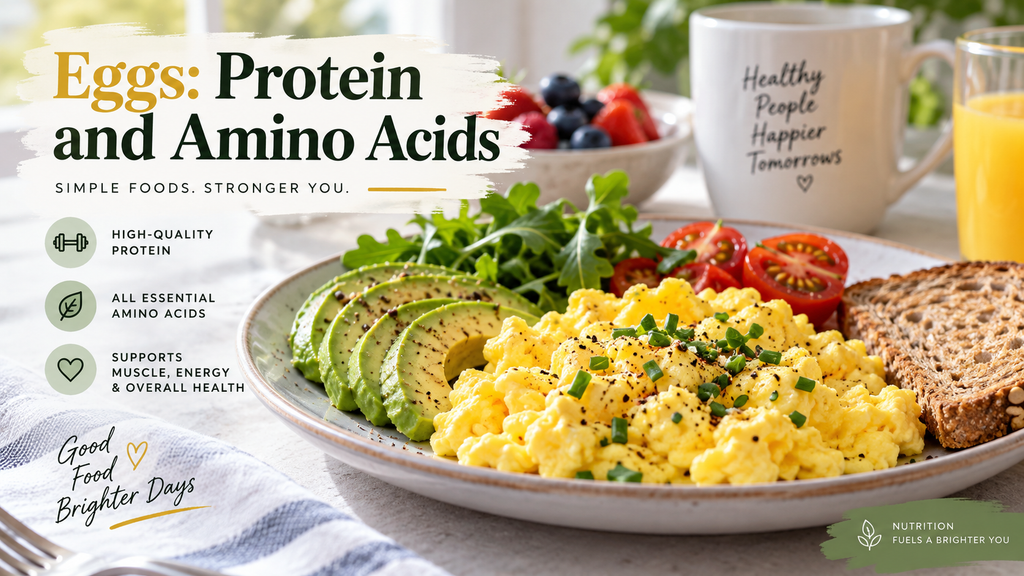
5. Eggs: Protein and Amino Acids
Key nutrients: Protein and amino acids
Eggs provide protein, which the body digests into amino acids used to make and repair tissues.
Amino acids are the building blocks of proteins, including collagen. However, eating eggs does not mean their protein is automatically converted into skin collagen. The body distributes amino acids according to its needs.
Eggs are convenient because they can be prepared quickly and combined with many vegetables.
Easy ways to eat them: Prepare a fully cooked omelet with bell peppers, add a boiled egg to a grain bowl, or serve scrambled eggs with whole-grain toast.
If you do not eat eggs, tofu, beans, lentils, and other protein-containing foods can serve as alternatives.
Eggs do not provide the entire nutritional foundation needed for collagen synthesis. Pairing protein foods with fruits and vegetables helps create a more varied eating pattern.
6. Salmon: Protein in a Balanced Meal
Salmon provides protein and can be included as one of several protein sources throughout the week.
Dietary protein supplies amino acids that the body needs for normal tissue maintenance and repair. Salmon also contributes other nutrients, making it a versatile food within a balanced diet.
It is important not to confuse eating fish with directly delivering collagen to your skin. Digestion breaks down food proteins, and the body uses the resulting components where they are needed.
Easy ways to eat it: Bake salmon with herbs, serve it with steamed broccoli, use cooked leftovers in a salad, or pair it with rice and red bell peppers.
If salmon is too expensive, choose another suitable protein food such as sardines, eggs, chicken, lentils, or tofu.
The objective is adequate, varied nutrition rather than buying a premium fish specifically for its supposed skin benefits.
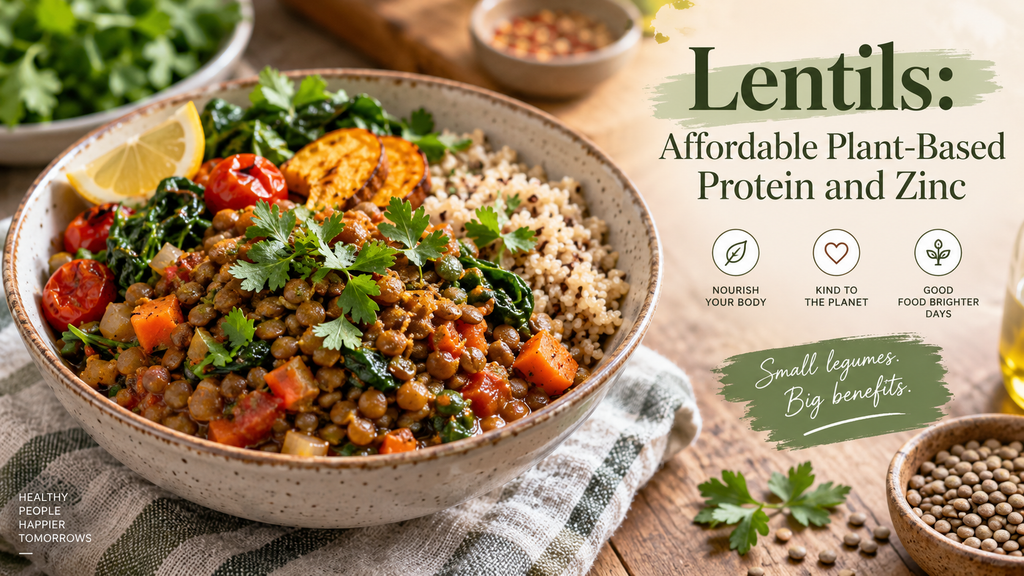
7. Lentils: Affordable Plant-Based Protein and Zinc
Key nutrients: Protein and zinc
Lentils are an affordable choice for people who want more plant-based protein.
They supply amino acids, and they also contain zinc, a mineral involved in protein synthesis and normal wound healing.
The NIH lists approximately 1.3 milligrams of zinc in half a cup of cooked lentils
Lentils are also easy to store and can be used in many different meals.
Easy ways to eat them: Prepare lentil soup, serve dal with rice, add cooked lentils to a vegetable bowl, or combine them with chopped tomatoes and bell peppers.
Try adding a vitamin C-rich vegetable to a lentil meal for a more varied nutrient combination.
Plant foods such as legumes also contain compounds called phytates that can reduce zinc absorption. Using a variety of foods and familiar preparation methods, including soaking dried legumes before cooking, can be helpful.
You do not need to avoid plant-based diets. A well-planned vegetarian or vegan diet can provide adequate protein.
8. Pumpkin Seeds: A Convenient Source of Zinc
Pumpkin seeds are easy to add to meals when you want more variety in your intake of minerals.
Zinc plays a role in protein synthesis, cell processes, and wound healing. The NIH lists approximately 2.2 milligrams of zinc in one ounce of roasted pumpkin seeds.
This makes them a convenient addition to meals, although they are not a replacement for a balanced diet.
Easy ways to eat them: Sprinkle pumpkin seeds over oatmeal, add them to salads, mix them into yogurt if you enjoy the combination, or eat a small portion as a snack.
Choose unsalted varieties when you want to limit added sodium.
Seeds provide nutrients in relatively small portions, so there is no need to eat large quantities.
If you have a seed allergy, select other suitable foods that contribute zinc, such as beans, dairy, meat, or fortified cereal.
9. Cashews: Copper for Connective Tissue Processes
Copper is sometimes overlooked in discussions about collagen.
The body uses copper-dependent enzymes in processes that help form the connections responsible for the strength of collagen and other connective tissues.
Cashews are a useful dietary source of copper. According to NIH data, an ounce of dry-roasted cashews contains approximately 629 micrograms of copper.
Easy ways to eat them: Add cashews to a vegetable stir-fry, include a small portion with fruit, or sprinkle chopped cashews over a grain bowl.
You do not need to eat cashews every day or consume extra-large servings.
Other copper-containing options include sunflower seeds, chickpeas, tofu, and certain whole grains.
If you have a nut allergy, avoid cashews and use safe alternatives. A single food is never essential when several other foods can supply the same nutrient.
10. Tofu: A Plant-Based Source of Protein and Copper
Key nutrients: Protein and copper
Tofu is a useful option for vegetarian and vegan meals because it supplies plant-based protein.
It can also contribute copper. NIH food composition data lists approximately 476 micrograms of copper in half a cup of firm tofu, although amounts vary with the product.
Tofu can therefore help provide different nutrients involved in normal tissue maintenance.
Easy ways to eat it: Cook tofu with broccoli and bell peppers, add it to a rice bowl, use it in vegetable soup, or prepare a tofu scramble for breakfast.
Check the packaging for protein content because tofu products vary in firmness and nutritional composition.
If soy is unsuitable for you, use another protein source such as lentils, eggs, dairy, or fish according to your dietary preferences.
A tofu stir-fry with colorful vegetables is a practical example of a meal that combines protein with vitamin C-rich produce.
How to Combine These Foods in Everyday Meals
You do not need to create a complicated collagen-focused meal plan.
A more realistic approach is to build ordinary meals that include a protein source, a fruit or vegetable, and other foods that help you meet your overall energy and nutrient needs.
Here is one example of how the foods above can fit into a normal day:
| Meal | Practical food idea |
|---|---|
| Breakfast | Eggs or tofu with bell peppers and whole-grain toast |
| Lunch | Lentil bowl with vegetables and rice |
| Snack | Kiwi or strawberries with a small portion of cashews |
| Dinner | Salmon or tofu with steamed broccoli and potatoes |
These are examples rather than prescribed portions. Adjust meals to your appetite, allergies, budget, and any medical dietary requirements.
You can also substitute foods according to what is available. For example, oranges can replace kiwi, chicken can replace salmon, and chickpeas can replace lentils.
The goal is a sustainable pattern of varied meals.
Do You Need to Eat Collagen-Rich Foods or Take Supplements?
Collagen-containing foods and collagen supplements are often marketed as shortcuts to healthier-looking skin.
However, dietary collagen is broken down during digestion. Eating it does not directly deliver intact collagen to a specific part of the body.
Research on collagen supplements has reported some possible benefits in certain studies, but evidence remains limited, and results are not guaranteed.
You do not need collagen powder to follow the nutrition ideas in this article.
If your diet already provides adequate protein, vitamin C, zinc, copper, and other nutrients, adding more of one nutrient does not automatically increase collagen production.
Avoid taking high-dose supplements simply to improve your appearance. Supplements may be appropriate for diagnosed deficiencies or specific circumstances, but a healthcare professional can help determine whether they are necessary.
Other Habits That Matter for Skin Health
Nutrition is only one part of skin health.
Ultraviolet radiation and smoking can damage skin and contribute to premature aging. The American Academy of Dermatology recommends broad-spectrum sunscreen with SPF 30 or higher when appropriate and advises against smoking.
Adequate sleep, appropriate skin care, and medical attention for persistent skin conditions are also important.
A good diet cannot replace sunscreen, prescribed treatment, or professional assessment of a changing mole, persistent rash, or wound that is not healing normally.
Frequently Asked Questions
Can food increase collagen production naturally?
Your body needs nutrients to produce collagen normally. Adequate protein, vitamin C, and certain minerals help support the biological process, but individual foods have not been proven to produce dramatic cosmetic results.
Which vitamin is essential for collagen production?
Vitamin C is essential for normal collagen synthesis. Food sources include red bell peppers, kiwi, strawberries, oranges, and broccol.
Can vegetarians get the nutrients needed for collagen production?
Yes. A varied vegetarian diet can include protein from tofu and lentils, vitamin C from fruits and vegetables, zinc from legumes and seeds, and copper from nuts, seeds, and soy foods.
How long does it take to notice visible skin changes?
There is no reliable timeline for visible skin improvements from eating these foods. Skin appearance depends on several factors, including age, genetics, sun exposure, health, and skin care.
Is eating more protein always better for collagen production?
No. Protein needs vary by individual. Consuming more than you need does not guarantee increased collagen production or better skin. People with medical conditions affecting protein requirements should seek individualized advice.
Final Thoughts
The most useful foods for collagen production are not necessarily expensive or unusual. Ordinary foods such as bell peppers, kiwi, eggs, lentils, pumpkin seeds, cashews, and tofu provide nutrients involved in maintaining healthy tissues.
Focus on dietary variety rather than trying to eat all ten foods every day.
Start with one easy improvement: add a vitamin C-rich fruit or vegetable to a meal that already contains protein. Build from there according to your preferences and budget . Healthy eating habits that support skin work best as part of a balanced routine that includes varied meals, adequate sleep, and sun protection
The takeaway: Support your body’s normal collagen-making processes with adequate nutrition, but avoid expecting a food or supplement to deliver guaranteed cosmetic results.
Medical disclaimer: This article is for general educational purposes and does not replace personalized advice from a qualified healthcare professional.
Vitamin C and Protein for Skin Health: 8 Easy Foods to Include