
Protein is an important part of a balanced eating pattern. It helps the body build and maintain muscles, supports tissues, and provides amino acids needed for many body functions. But choosing protein does not have to mean choosing between plant-based and animal foods.
Understanding plant-based vs animal protein can help you build more balanced everyday meals.
Beans, lentils, chickpeas, tofu, nuts, seeds, eggs, dairy, fish, and poultry can all fit into a nutritious diet. The more useful question is not simply whether plant or animal protein is “better,” but how the overall food package fits into your eating pattern.
Plant-based protein foods often provide fiber and other nutrients, while many animal foods provide highly bioavailable protein and nutrients such as vitamin B12. A balanced approach can include both categories while emphasizing variety and minimally processed foods.
Table of Contents
What Is Plant-Based Protein?
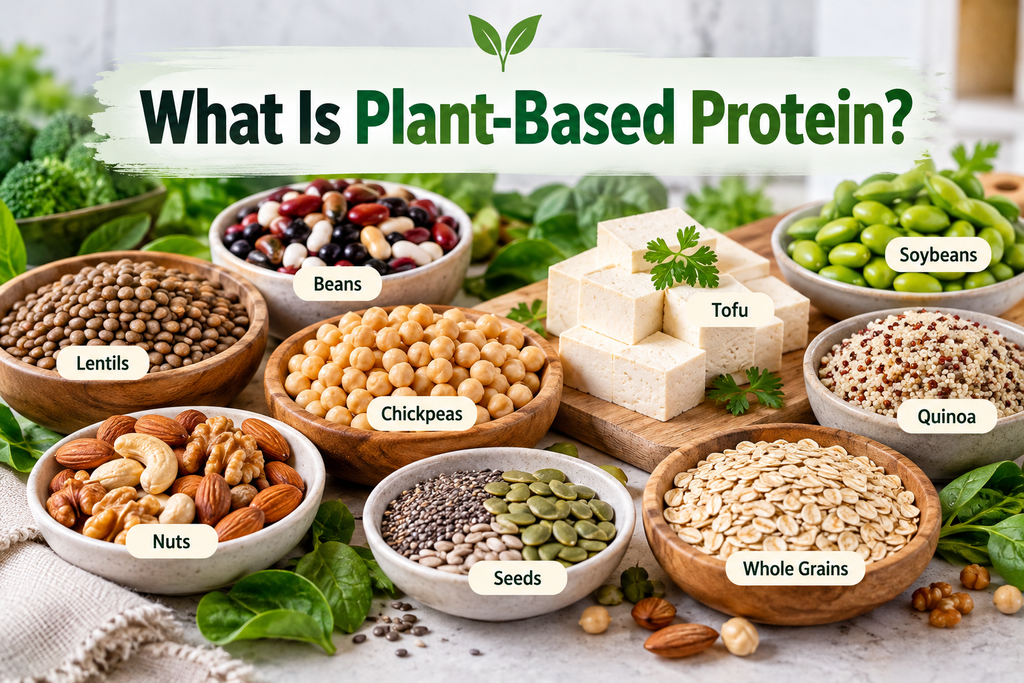
Plant-based protein comes from foods that originate from plants. Common examples include:
- Beans
- Lentils
- Chickpeas
- Peas
- Soybeans
- Tofu
- Tempeh
- Nuts
- Seeds
- Quinoa
- Whole grains
Many plant protein foods provide more than protein. Legumes such as beans and lentils can also provide fiber, folate, iron, and other nutrients. Nuts and seeds provide protein along with unsaturated fats, while whole grains can contribute protein, carbohydrates, fiber, and minerals.
For example, a cup of cooked lentils provides about 18 grams of protein and around 15 grams of fiber, according to Harvard’s Nutrition Source.
This combination makes plant protein useful for building meals that are filling and nutrient-dense.
What Is Animal Protein?
Animal protein comes from foods such as:
- Eggs
- Fish
- Chicken
- Turkey
- Yogurt
- Milk
- Cheese
- Other dairy products
- Meat
Animal foods can provide protein along with nutrients such as vitamin B12, calcium, iron, and, in some foods such as fatty fish, omega-3 fats. Vitamin B12 is naturally found in animal foods, while some plant-based
products are fortified with B12.
Animal protein can therefore be convenient and nutritious, but the type of animal food matters. A meal built around fish or poultry is nutritionally different from one built around highly processed meat.
Harvard’s Nutrition Source emphasizes looking at the entire “protein package,” including the fats, fiber, sodium, and other nutrients that come with the protein source.
Plant-Based vs. Animal Protein: What Is the Difference?
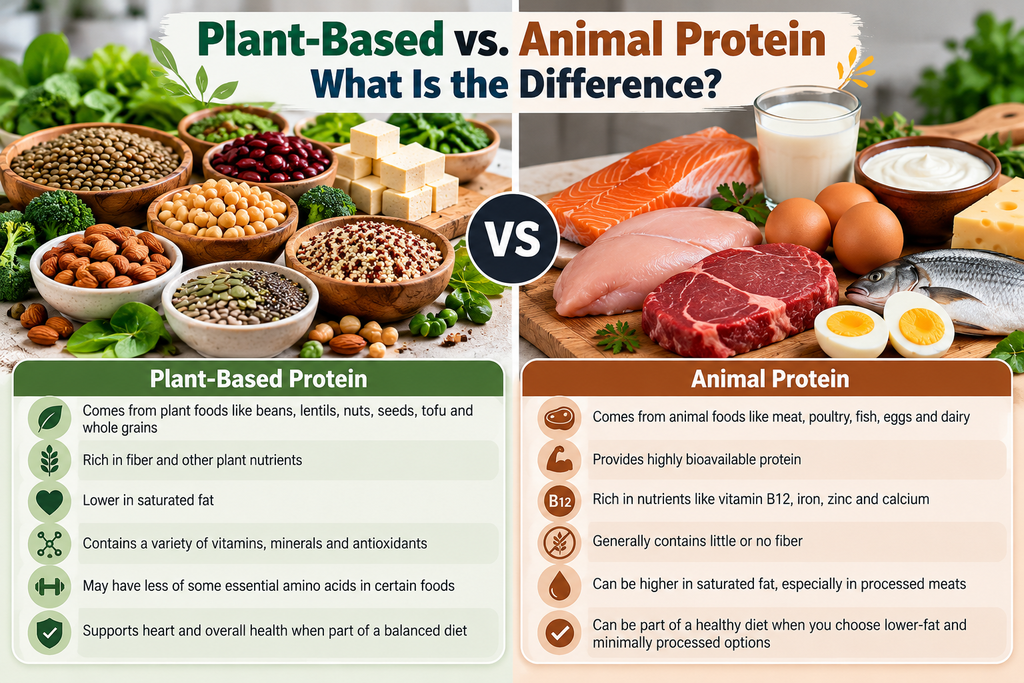
One important difference is what comes with the protein.
Many plant protein sources also contain fiber and carbohydrates. Beans, lentils, chickpeas, nuts, seeds, and whole grains can contribute several nutrients to the same meal.
Most animal protein foods contain little or no carbohydrate and generally do not provide dietary fiber. However, they can provide highly bioavailable protein and certain nutrients that may require more attention in a fully plant-based diet. Understanding plant-based vs animal protein can help you build more balanced everyday meals.
Protein — Harvard T.H. Chan School of Public Health
Harvard — Protein
This does not mean one category automatically makes a diet healthy or unhealthy.
For example, lentils and salmon are very different foods, but both can be part of a nutritious meal. On the other hand, comparing lentils with a highly processed meat product involves much more than simply comparing their protein content.
The overall food package matters.
Why Protein Variety Matters
Eating different protein foods throughout the week can make a healthy eating pattern easier to maintain.
Variety can also expose you to different combinations of nutrients, flavors, textures, and cooking methods. Instead of eating the same protein every day, you can rotate between legumes, soy foods, nuts, seeds, eggs, dairy, fish, and poultry.
For example, one day might include lentils at lunch and yogurt at breakfast. Another day could include eggs for breakfast and fish at dinner.
This approach does not require complicated meal planning.
If you want more practical ideas for improving your overall diet, you can also read our guide to healthy eating habits.
How to Build a Balanced Protein Mix
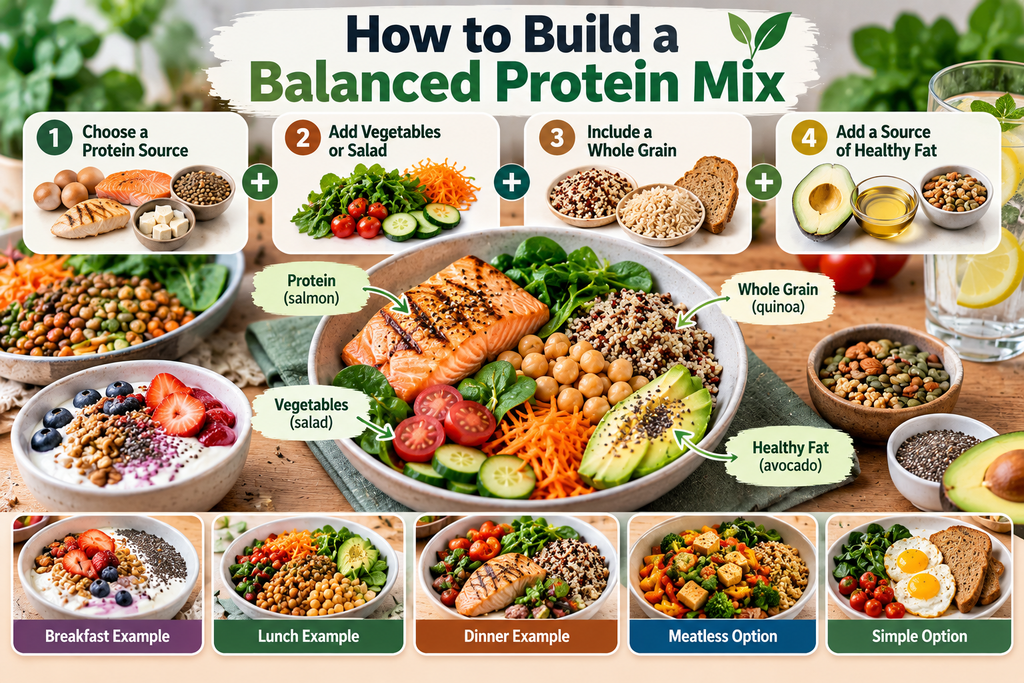
A simple way to build a balanced meal is to start with a protein source and then add vegetables or fruit, a high-fiber carbohydrate, and a source of healthy fat when appropriate.
For example:
Breakfast:
Greek yogurt + oats + berries + seeds
Lunch:
Chickpeas + vegetables + brown rice + olive-oil-based dressing
Dinner:
Grilled fish + vegetables + whole grain
Meatless option:
Lentils + roasted vegetables + quinoa
The goal is not to combine plant and animal protein in every meal. You can use both across the week. Understanding plant-based vs. animal protein can help you build more balanced everyday meals.
Simple combinations to try
- Add beans or lentils to a meal containing chicken.
- Serve Greek yogurt with fruit, oats, and seeds.
- Add tofu or chickpeas to a vegetable stir-fry.
- Pair eggs with whole-grain toast and vegetables.
- Add nuts or seeds to oatmeal or yogurt.
- Serve fish with vegetables and a whole grain.
- Replace some of the meat in a bowl or stew with beans or lentils.
These combinations can make meals more varied without requiring a completely different diet.
Best Plant-Based Protein Choices
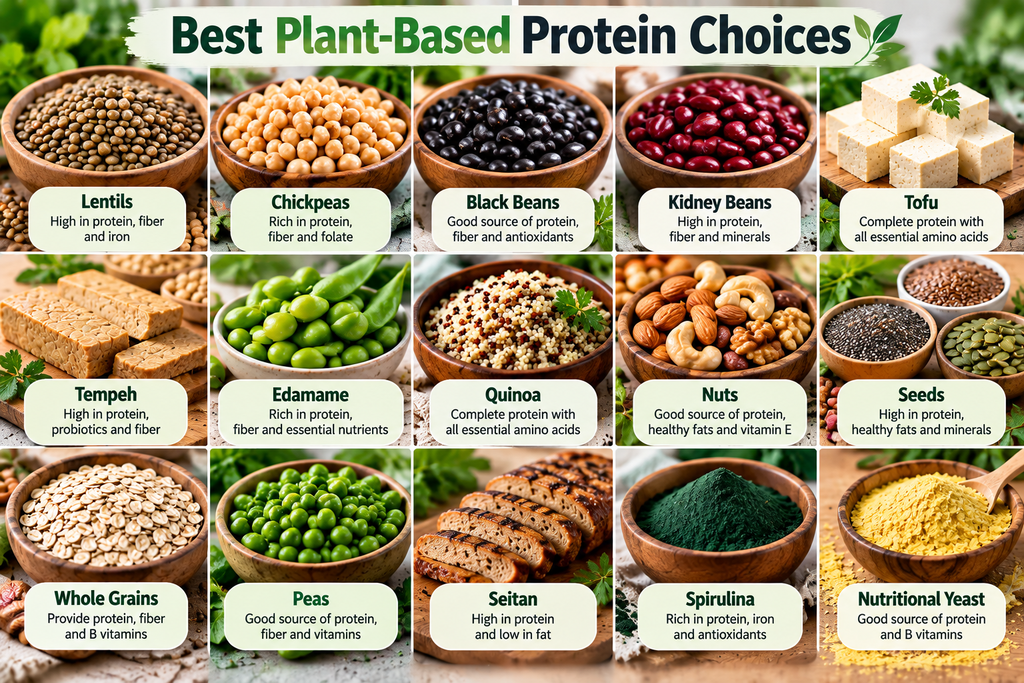
Some plant protein foods are especially practical for everyday meals.
Beans and lentils
Beans and lentils are versatile sources of protein and fiber. They can be added to soups, salads, curries, wraps, bowls, and stews.
Chickpeas
Chickpeas can be used in salads, hummus, curries, and grain bowls. They are easy to combine with vegetables and whole grains.
Tofu and tempeh
Soy foods such as tofu and tempeh can provide substantial protein and work well in stir-fries, bowls, and other meals.
Nuts and seeds
Almonds, walnuts, pumpkin seeds, chia seeds, flaxseeds, and other nuts and seeds provide protein along with healthy fats. Because they are energy-dense, reasonable portions can help keep meals balanced.
Whole grains
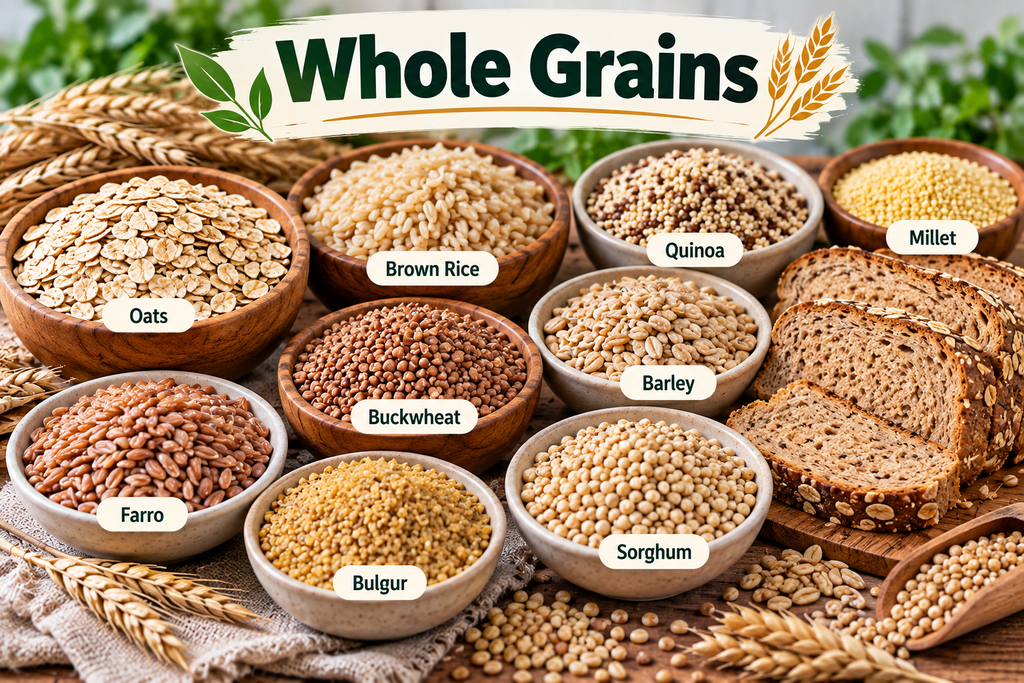
Quinoa, oats, brown rice, buckwheat, and other whole grains can contribute protein while also providing carbohydrates and fiber.
A plant-based diet does not require combining specific proteins at every meal. Eating a variety of plant protein sources across the day can help provide the essential amino acids your body needs.
Best Animal Protein Choices
Animal protein can also fit into a balanced eating pattern.
Fish
Fish provides protein, and fatty fish such as salmon can also provide omega-3 fats. Harvard’s Nutrition Source lists fish among the protein choices that can provide a favorable nutrient package.
Poultry
Chicken and turkey can provide protein and are flexible ingredients for salads, bowls, sandwiches, soups, and main meals.
Eggs
Eggs are an easy protein option for breakfast, lunch, or dinner. They can be combined with vegetables and whole grains to create a more complete meal.
Yogurt and dairy
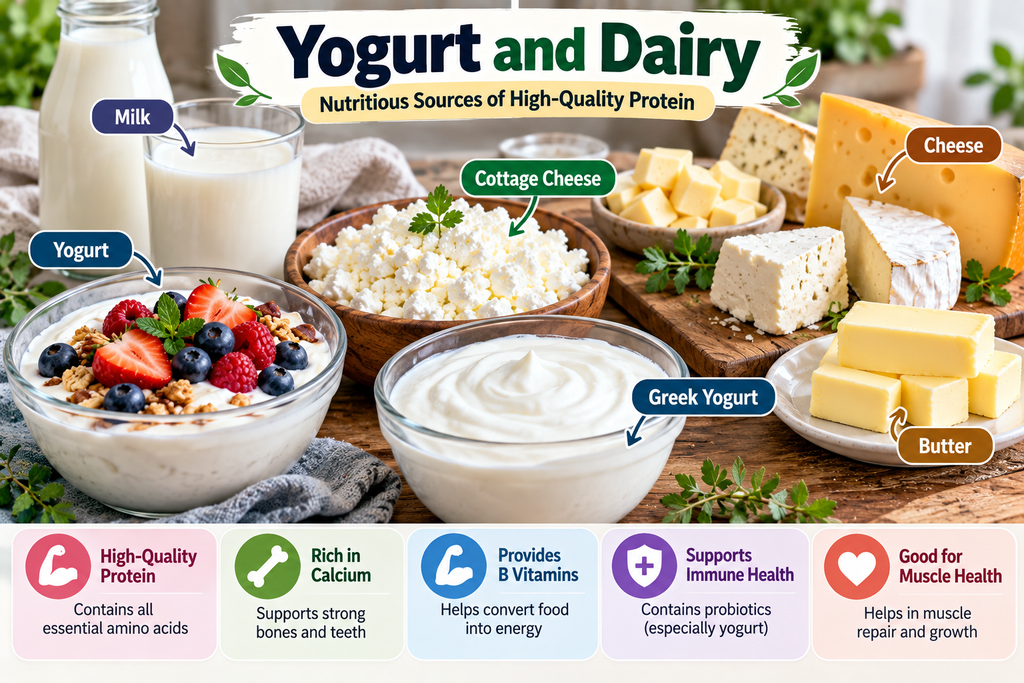
Yogurt and other dairy foods provide protein and can also contribute calcium and vitamin B12.
Red and processed meat
Red meat can provide protein and nutrients such as iron and B12, but the overall food package matters. Processed meats such as bacon, sausages, and deli meats can contain substantial sodium and other ingredients. Harvard recommends emphasizing healthier protein sources and limiting processed meat.
Do You Need Both Plant and Animal Protein?
No.
You do not need to eat both plant and animal protein to have a healthy eating pattern. People can follow vegetarian or vegan diets, while others prefer diets that include eggs, dairy, fish, poultry, or meat.
The important issue is whether the overall diet provides adequate protein and essential nutrients.
People following a completely plant-based diet should pay particular attention to vitamin B12 because natural plant foods do not contain B12. Fortified foods and supplements can provide B12 when appropriate.
If you have a medical condition, follow a restrictive diet, or have specific nutritional concerns, individualized advice from a qualified healthcare professional or registered dietitian may be appropriate.
How Much Protein Should You Eat?
Protein needs vary depending on factors such as age, body size, activity level, and overall health.
Instead of focusing only on hitting a large protein number, look at the quality and variety of your food choices.
A meal with beans, vegetables, whole grains, and healthy fats can provide a broader range of nutrients than a meal that focuses almost entirely on a large serving of meat.
Likewise, a meal containing fish, vegetables, and whole grains can provide protein along with other important nutrients.
The goal should be a balanced eating pattern rather than protein at any cost.
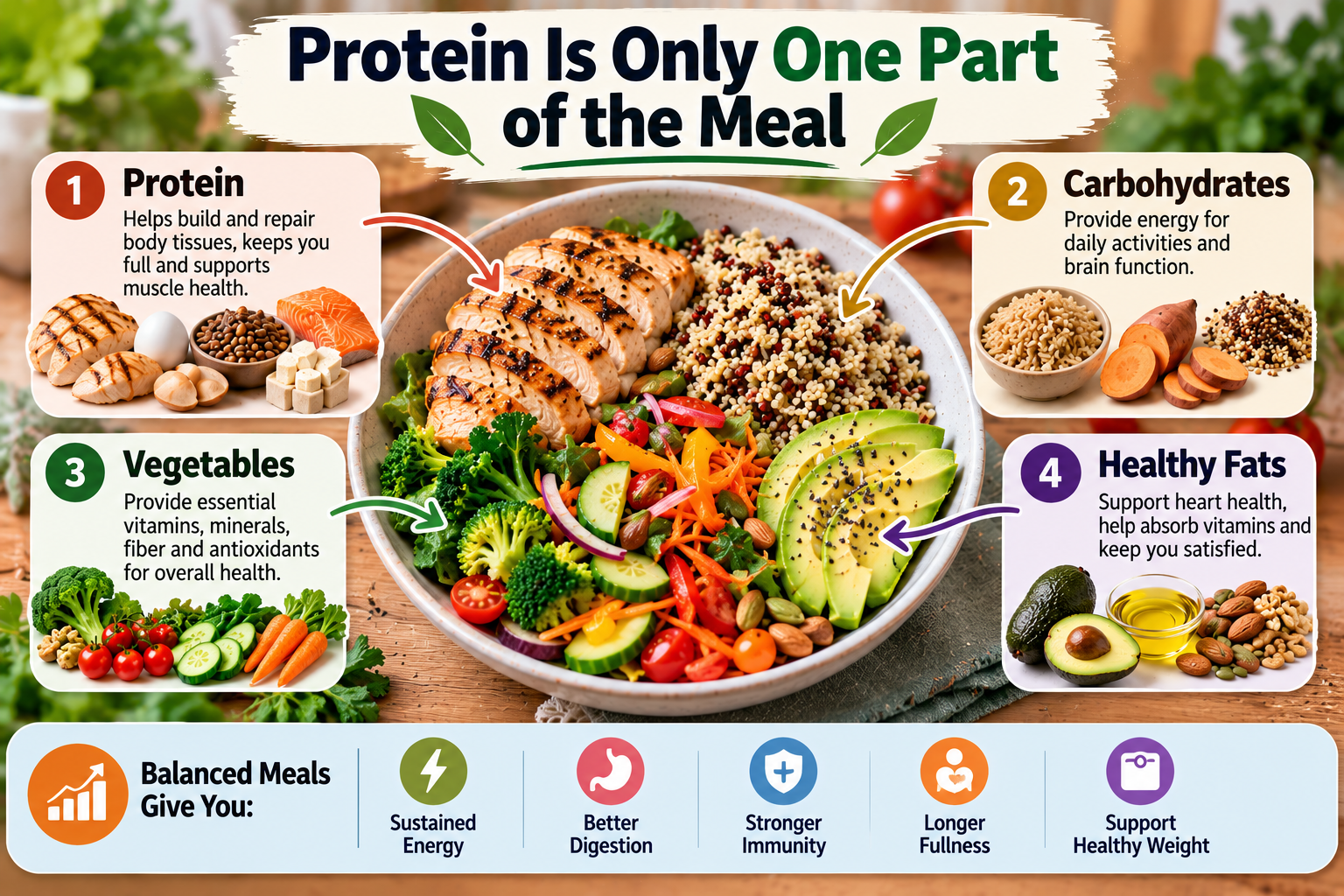
Protein Is Only One Part of the Meal
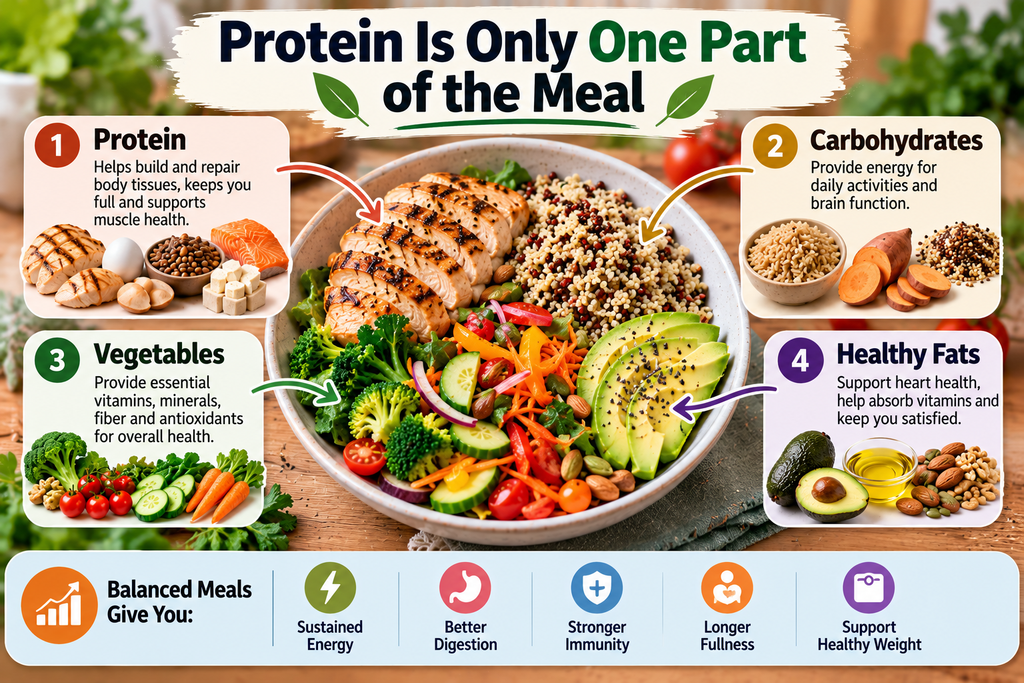
A common mistake is to build a meal around protein and ignore everything else.
A nutritious meal can also include:
- Vegetables
- Fruit
- Whole grains
- Fiber-rich foods
- Healthy fats
- Water
Fiber is particularly important because plant foods such as legumes, whole grains, fruits, vegetables, nuts, and seeds are major sources.
This is why a balanced protein strategy should not mean eating more protein automatically. It means choosing protein foods that work well with the rest of the meal.
Practical Weekly Protein Rotation
You can make protein variety easier by thinking about your choices across the entire week.
For example:
Monday: Lentils and yogurt
Tuesday: Eggs and chickpeas
Wednesday: Chicken and beans
Thursday: Tofu and seeds
Friday: Fish and lentils
Saturday: Yogurt, nuts, and eggs
Sunday: Chickpeas, vegetables, and poultry
This is only an example. Your actual choices should depend on your preferences, budget, culture, availability, and nutritional needs.
The purpose is simply to avoid relying on one protein source all the time.
Frequently Asked Questions (FAQs)
1. Is plant-based protein healthier than animal protein?
Neither category is automatically healthy or unhealthy. The nutritional quality of the entire food matters, including fiber, fats, sodium, processing, and other nutrients. Beans, lentils, nuts, fish, and poultry can all fit into a healthy eating pattern.
2. Can I eat plant-based and animal protein together?
Yes. Foods such as chickpeas and chicken, lentils and yogurt, or tofu and eggs can be combined in the same meal. You can also simply alternate between plant and animal protein sources throughout the week.
3. Do vegans need vitamin B12?
People who consume no animal products need a reliable source of vitamin B12 because naturally occurring B12 is found in animal foods. Fortified foods and B12 supplements can help provide it.
4. Are beans a good source of protein?
Yes. Beans and other legumes provide protein as well as fiber and other nutrients. They can be used in soups, salads, curries, bowls, and many other meals.
5. What are some healthy animal protein choices?
Fish, poultry, eggs, and yogurt can be practical choices. When choosing animal protein, consider the entire food package rather than looking only at grams of protein.
6. Do I need protein at every meal?
Protein needs are based on your overall diet, not on a requirement to eat a particular protein food at every meal. Distributing protein across meals can be practical, but the total eating pattern matters.
Final Thoughts
Plant-based and animal protein do not have to be competing choices. Understanding plant-based vs. animal protein can help you build more balanced everyday meals.
A balanced eating pattern can include beans, lentils, chickpeas, tofu, nuts, seeds, eggs, yogurt, fish, poultry, and other protein foods. The strongest approach is to focus on variety, food quality, reasonable portions, and the meal as a whole.
Plant foods can add fiber and a range of nutrients, while animal foods can provide protein and nutrients such as vitamin B12. For people eating mostly or entirely plant-based, nutrients such as B12 deserve particular attention.
Rather than asking which type of protein is universally better, ask a more useful question: How can I build meals that provide protein along with vegetables, fiber-rich foods, whole grains, and other nutritious ingredients?
That shift makes healthy eating more practical and sustainable over the long term