
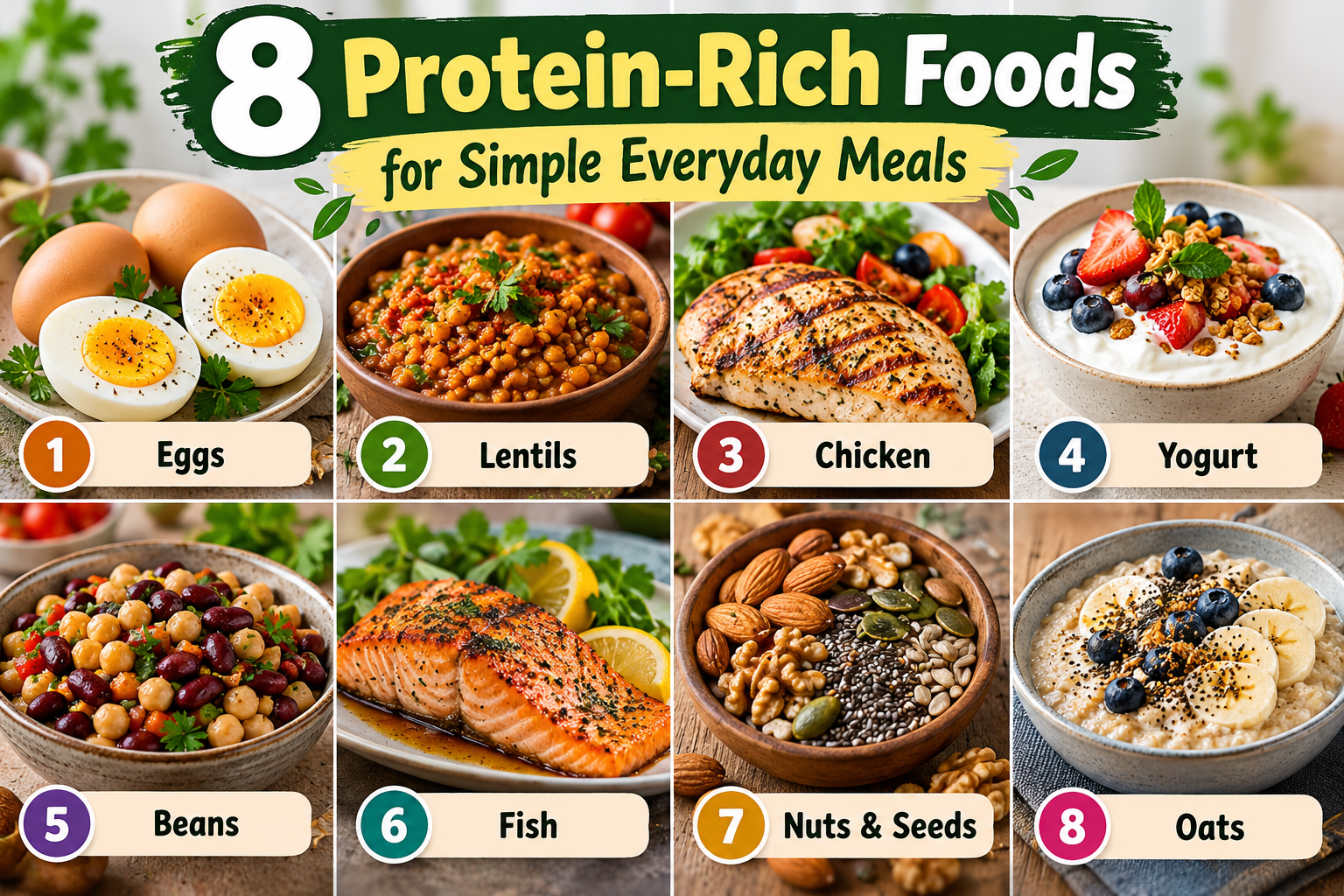
Protein is an essential nutrient that helps the body build and repair tissues, maintain muscles, and support many important functions. Including enough protein in daily meals can also help you feel satisfied after eating and make it easier to maintain balanced eating habits. The good news is that you do not need expensive supplements or complicated recipes to enjoy protein-rich foods.
Many everyday ingredients, including eggs, beans, lentils, yogurt, fish, chicken, nuts, and seeds, can help you add protein to your meals. These foods are versatile, easy to prepare, and suitable for different cooking styles and budgets.
In this guide, you will discover 8 protein-rich foods for simple everyday meals, along with practical ways to include them in breakfast, lunch, dinner, and snacks.
Why Are Protein-Rich Foods Important?
Protein is made up of amino acids that the body uses to build and maintain muscles, skin, and other tissues. It also supports enzymes, hormones, and immune system functions.
Eating protein as part of a balanced diet can help with muscle maintenance and recovery. Protein-containing meals may also help you feel full for longer, although overall meal composition, portion sizes, and individual needs also influence fullness.
You can get protein from both animal and plant sources. Animal foods such as eggs, fish, chicken, and dairy provide protein, while beans, lentils, nuts, seeds, and soy foods offer plant-based alternatives.
According to the Harvard T.H. Chan School of Public Health, the quality of protein sources and the overall dietary pattern matter when planning a healthy diet.
Table of Contents
1. Eggs for Quick and Nutritious Meals
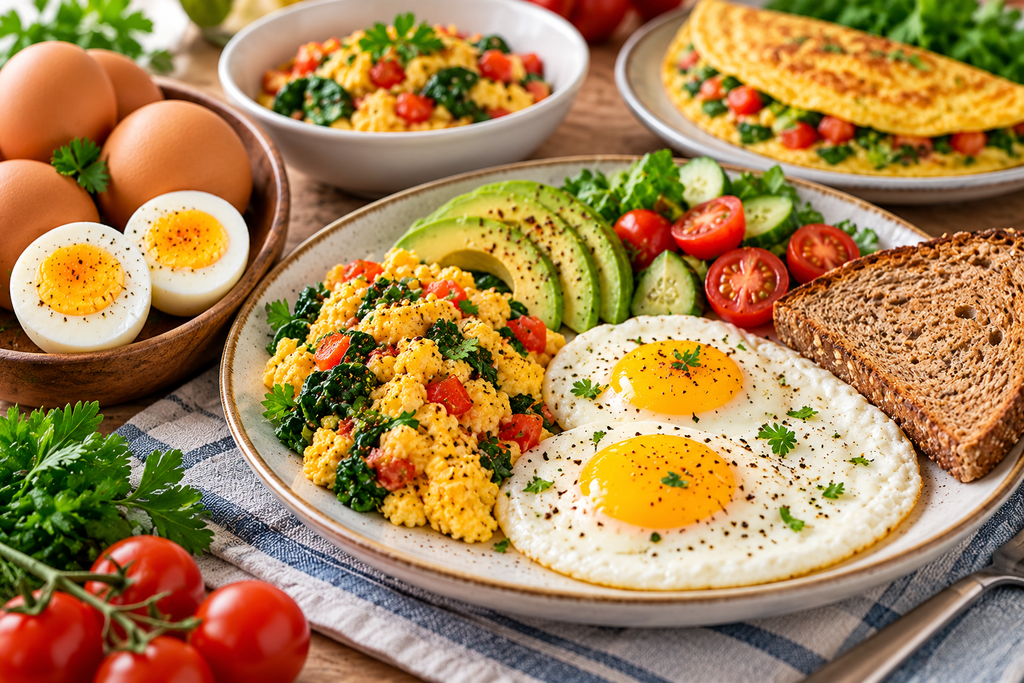
Eggs are a convenient source of high-quality protein and can be prepared in several ways. One large egg provides approximately 6 grams of protein, although the exact amount varies with size.
Eggs also contain nutrients such as vitamin B12, choline, and selenium. Their simple preparation makes them useful for people who want a protein-rich meal without spending much time in the kitchen.
Easy ways to include eggs:
- Prepare boiled eggs for breakfast or a quick snack.
- Make scrambled eggs with tomatoes, onions, and spinach.
- Add a boiled egg to a whole-grain sandwich.
- Serve an omelet with vegetables and whole-wheat roti.
For a balanced meal, combine eggs with vegetables and a source of fiber, such as whole-grain bread or fruit. This provides a broader range of nutrients than eating eggs alone.
Choose cooking methods that suit your dietary needs, and avoid relying on excessive butter or oil when preparing eggs regularly.
2. Lentils for Affordable Plant-Based Protein
Lentils are among the most practical protein-rich foods for everyday cooking. They are affordable, widely available, and easy to use in soups, curries, and salads.
One cup of cooked lentils contains approximately 18 grams of protein, depending on the variety and preparation method. Lentils also provide dietary fiber, folate, iron, and other important nutrients.
Their combination of protein and fiber makes them a useful ingredient in filling meals.
Simple ways to eat lentils:
- Prepare traditional daal with tomatoes, onions, and spices.
- Add cooked lentils to vegetable soup.
- Mix lentils with rice for a satisfying lunch.
- Combine cooled lentils with cucumber, tomatoes, and lemon juice for a salad.
Lentils are especially useful for people who want to increase plant protein without purchasing expensive products. Pair them with whole grains, vegetables, or other nutritious foods to create varied and balanced meals.
If you enjoy Pakistani home cooking, daal with roti and seasonal vegetables is a straightforward way to make protein part of your regular routine.
3. Chicken for Lean and Versatile Protein
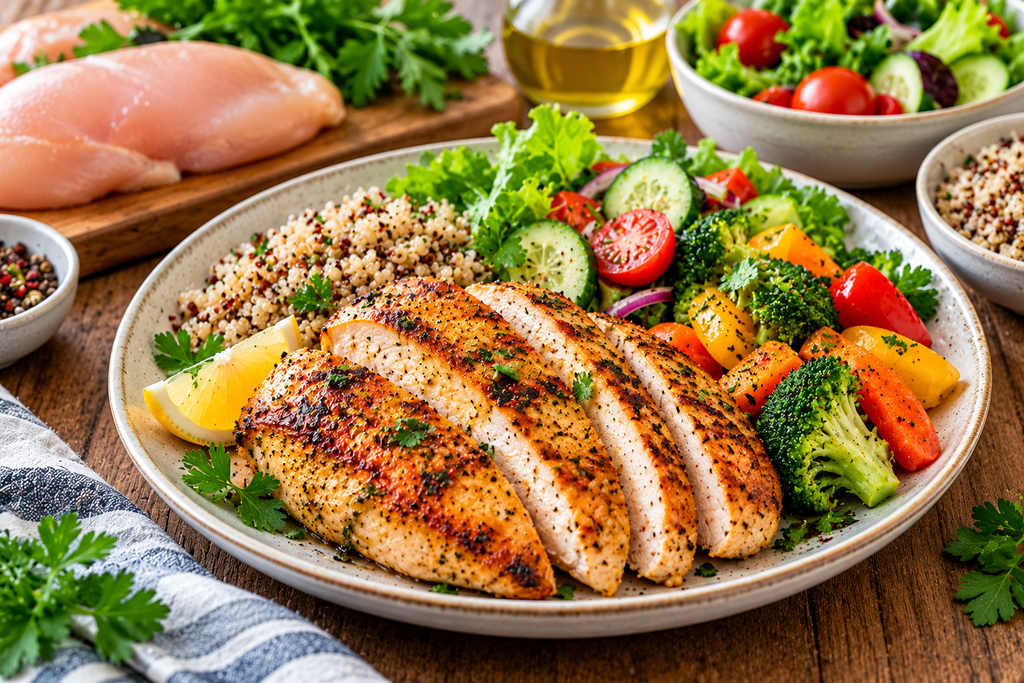
Chicken is a popular protein source because it works well in many different dishes. Skinless chicken breast is particularly high in protein and relatively low in fat, although the nutritional profile varies depending on the cut and cooking method.
A 100-gram serving of cooked chicken breast generally provides around 30 grams of protein. Chicken also supplies nutrients such as vitamin B6 and niacin.
You do not need to prepare elaborate recipes to include it in your diet.
Easy chicken meal ideas:
- Grill chicken with garlic, lemon, and herbs.
- Add cooked chicken to a whole-grain wrap.
- Prepare homemade chicken and vegetable soup.
- Serve chicken curry with a moderate portion of rice and vegetables.
For everyday meals, baking, grilling, steaming, and cooking with moderate amounts of oil can help limit unnecessary added fat.
Try preparing extra chicken during one cooking session and refrigerating it safely for later meals. This can save time on busy days and make balanced meal preparation easier.
4. Yogurt for Protein-Rich Breakfasts and Snacks
Yogurt is a convenient dairy food that provides protein and calcium. Greek-style yogurt often contains more protein than regular yogurt because of the way it is strained, but the amount varies by product.
Plain yogurt is a flexible ingredient because it can be used in both sweet and savory dishes. Choosing unsweetened varieties can help reduce added sugar in your daily diet.
Ways to include yogurt:
- Enjoy plain yogurt with oats and fruit.
- Mix yogurt with nuts and seeds for a snack.
- Use yogurt as a base for a cucumber and mint dip.
- Serve plain yogurt alongside lentil dishes or vegetable meals.
Yogurt can also be useful when you want a quick breakfast that requires little preparation. Combine it with oats, fruit, or nuts to add fiber and healthy fats.
If you cannot tolerate lactose, lactose-free yogurt or suitable fortified alternatives may be options. Check the nutrition label because plant-based alternatives differ considerably in their protein content.
5. Beans for Filling Lunches and Dinners
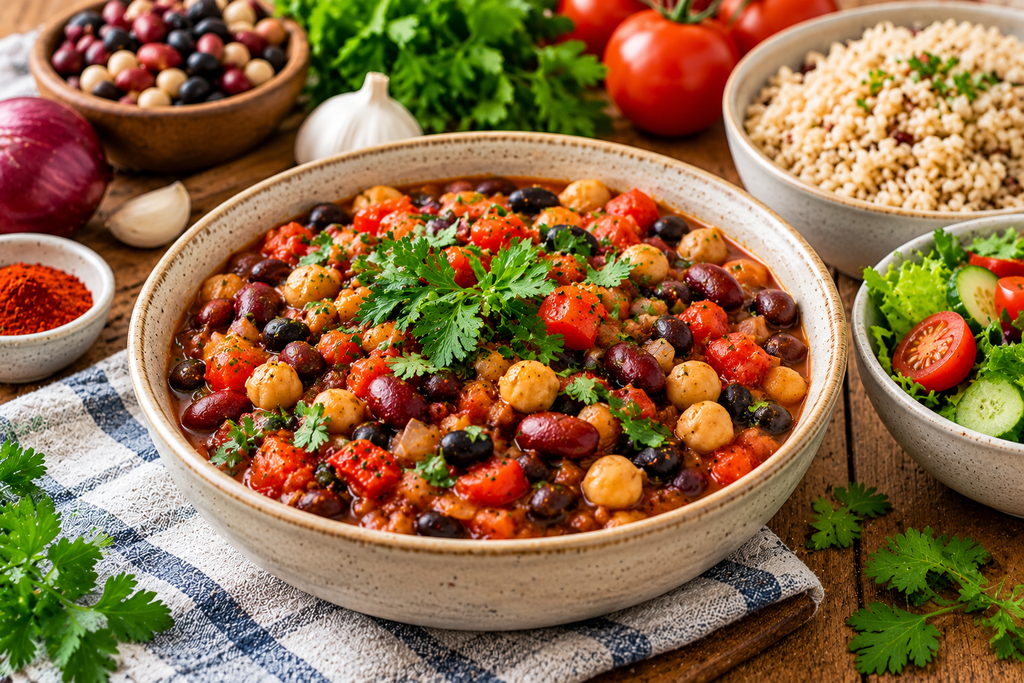
Beans are affordable plant foods that supply protein, fiber, and various minerals. Kidney beans, black beans, chickpeas, and white beans can all contribute to a balanced diet.
One cup of cooked kidney beans contains approximately 15 grams of protein, although values vary by bean type.
Beans are particularly useful because they can be added to meals you already prepare instead of requiring an entirely new recipe.
Simple ways to use beans:
- Prepare kidney bean curry with tomatoes and spices.
- Add chickpeas to a vegetable salad.
- Mix beans into homemade soups.
- Combine beans with rice, vegetables, and herbs for a filling bowl.
Canned beans can save preparation time. Choose lower-sodium varieties when available, and rinse canned beans under running water to reduce some of their sodium.
If you use dried beans, follow safe soaking and cooking instructions. Some varieties, particularly kidney beans, must be thoroughly cooked before eating.
Beans provide both protein and fiber, making them a useful choice for people who want meals that are satisfying, economical, and easy to prepare.
6. Fish for Protein and Important Nutrients
Fish provides high-quality protein and can be prepared quickly. Oily fish, including salmon and sardines, also supply omega-3 fatty acids, while many other fish varieties provide protein with relatively little saturated fat.
The protein content depends on the type of fish, but a 100-gram cooked serving of many common varieties provides roughly 20–25 grams.
Easy fish meal ideas:
- Grill fish with lemon, garlic, and black pepper.
- Bake fish with tomatoes and onions.
- Add cooked fish to a salad with leafy vegetables.
- Serve fish with brown rice or whole-wheat roti.
Choose a variety of fish and follow local food-safety guidance regarding mercury, particularly for children and people who are pregnant or may become pregnant.
Fish does not need to be eaten every day to be useful. Including it regularly, alongside other protein sources, can help create variety in your diet.
7. Nuts and Seeds for Convenient Protein Snacks
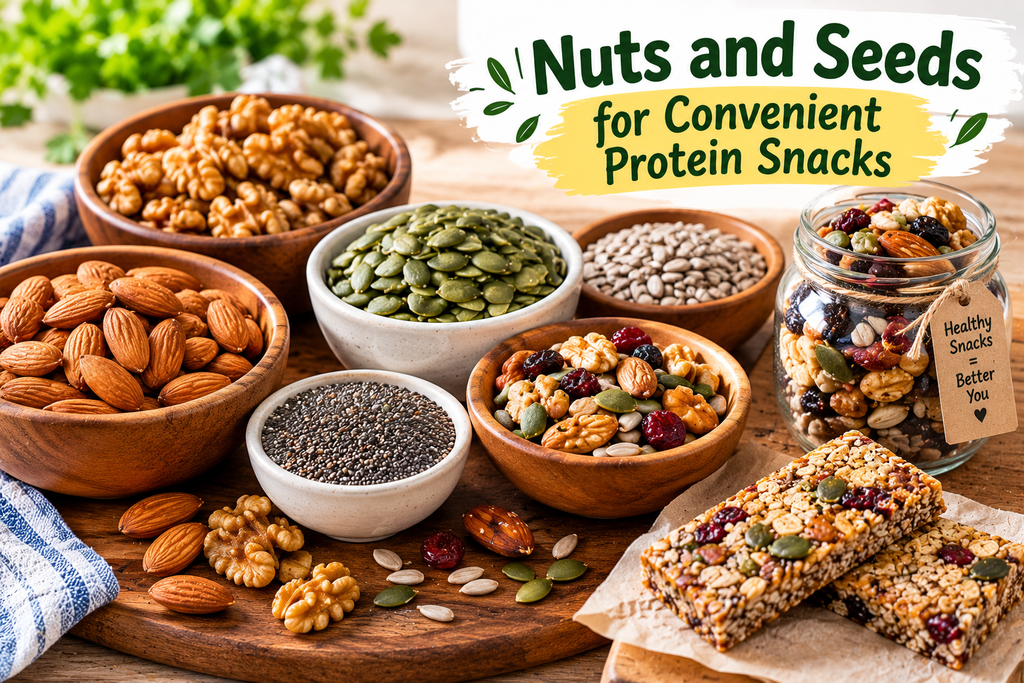
Nuts and seeds offer plant protein, unsaturated fats, fiber, and several minerals. Almonds, peanuts, pumpkin seeds, chia seeds, and sunflower seeds are practical choices for snacks and meal additions.
Their protein content varies. For example, a 28-gram serving of almonds contains around 6 grams of protein, while pumpkin seeds can provide a similar or higher amount depending on the product.
Nuts and seeds are energy-dense, so portions matter if you are monitoring your overall calorie intake.
Simple ways to eat nuts and seeds:
- Add chopped almonds to oatmeal.
- Sprinkle pumpkin seeds over salads.
- Mix chia seeds into yogurt.
- Enjoy a small handful of unsalted nuts as a snack.
- Add peanut butter to whole-grain toast.
Choose plain or lightly processed options when possible. Nut and seed butters can also be useful, but compare labels for added sugar, salt, and oils.
People with nut or seed allergies should avoid the relevant foods and choose safe alternatives.
8. Oats for a More Balanced Breakfast
Oats are usually thought of as a carbohydrate source, but they also provide some protein and dietary fiber. They are not as protein-dense as chicken, eggs, or many legumes, yet they can contribute to your daily protein intake when combined with other ingredients.
Half a cup of dry rolled oats generally contains around 5 grams of protein, depending on the brand and serving size.
Oats are easy to prepare and can be used in both sweet and savory meals.
Easy ways to include oats:
- Cook oats with milk for a warm breakfast.
- Prepare overnight oats with plain yogurt.
- Add nuts or seeds to oatmeal.
- Use oats in homemade savory pancakes.
- Combine oats with eggs when preparing simple breakfast patties.
For a more protein-rich breakfast, prepare oats with milk or a suitable high-protein alternative and add yogurt, nuts, or seeds.
Oats also provide beta-glucan, a type of soluble fiber associated with helping maintain healthy cholesterol levels when consumed as part of an appropriate diet.
How to Combine Protein-Rich Foods in Everyday Meals
You do not need to eat all eight foods in one day. Instead, focus on variety and choose combinations that suit your budget, preferences, and nutritional needs.
Here is one example of how protein sources can fit into a typical day:
- Breakfast: Oats prepared with milk and topped with nuts.
- Lunch: Lentils with whole-wheat roti and a vegetable salad.
- Snack: Plain yogurt or a small handful of nuts.
- Dinner: Grilled chicken or fish with vegetables and rice.
You can replace chicken or fish with beans, chickpeas, tofu, or another suitable protein source according to your preferences.
For more guidance on building balanced meals, visit USDA MyPlate’s Protein Foods guidance.
The amount of protein you need depends on factors such as age, body weight, physical activity, and health conditions. For most healthy adults, a commonly used baseline recommendation is approximately 0.8 grams of protein per kilogram of body weight per day. Individual needs may be higher or lower depending on circumstances, and some medical conditions require professional dietary guidance.
Common Mistakes to Avoid When Choosing Protein Foods
Even nutritious foods can become part of an unbalanced diet if the overall eating pattern lacks variety.
Avoid relying exclusively on processed meats or heavily fried protein foods. These may contribute excess sodium, saturated fat, or calories, depending on the product and preparation method.
Another common mistake is ignoring vegetables, fruit, whole grains, and healthy fats while concentrating only on protein. A balanced diet needs more than one nutrient.
Do not assume that protein supplements are necessary for everyone. Many people can obtain adequate protein through ordinary foods. Supplements may be useful in certain circumstances, but they should not replace a varied diet without a good reason.
Finally, avoid drastically increasing your protein intake without considering your individual needs. If you have kidney disease or another condition that affects dietary requirements, consult a qualified healthcare professional before making significant changes.
Frequently Asked Questions About Protein-Rich Foods
1. What are the best protein-rich foods for everyday meals?
Eggs, lentils, chicken, yogurt, beans, fish, nuts, seeds, and oats are useful protein sources for everyday meals. Including a variety of animal and plant-based foods can help provide protein along with other essential nutrients.
2. Which protein-rich foods are affordable?
Lentils, beans, eggs, oats, and peanuts are often affordable options. Their cost depends on your location and the current market price. These ingredients can be used in simple breakfasts, lunches, dinners, and snacks.
3. Can I get enough protein from plant-based foods?
Yes, many people can meet their protein needs through a well-planned plant-based diet. Lentils, beans, chickpeas, soy foods, nuts, and seeds provide protein. Eating a variety of plant foods throughout the day helps provide the amino acids your body needs.
4. Are eggs a good source of protein?
Yes, eggs provide high-quality protein and important nutrients. One large egg contains approximately 6 grams of protein. Boiled eggs, omelets, and scrambled eggs are simple ways to include them in everyday meals.
5. Is yogurt a good protein-rich snack?
Yes, yogurt provides protein and calcium. Greek-style yogurt often contains more protein than regular yogurt. Choose plain, unsweetened yogurt and combine it with fruit, oats, nuts, or seeds for a balanced snack.
6. Can oats help increase daily protein intake?
Yes, oats contain some protein and dietary fiber. You can increase the protein content of an oat-based meal by preparing it with milk or adding yogurt, nuts, or seeds.
7. Should I eat protein-rich foods at every meal?
Including a protein source in most main meals is a practical way to distribute protein throughout the day. However, your exact needs depend on your body weight, activity level, age, and health status.
8. Do I need protein supplements to stay healthy?
Not necessarily. Many people can meet their protein needs through a balanced diet containing foods such as eggs, lentils, beans, dairy products, fish, chicken, and soy foods. Supplements may be useful in specific circumstances but are not essential for everyone.
9. Which protein-rich foods are suitable for breakfast?
Eggs, plain yogurt, milk, oats, nuts, and seeds are practical breakfast options. Combining two or more of these foods can help create a more filling and nutritious morning meal.
10. How can I add more protein to my daily diet?
Start with small changes, such as adding eggs to breakfast, including lentils or beans at lunch, choosing yogurt as a snack, or serving fish or chicken with dinner. Rotate different protein sources to maintain variety and balanced eating habits.
Conclusion
Adding protein to everyday meals does not have to be expensive or complicated. Eggs, lentils, chicken, yogurt, beans, fish, nuts, seeds, and oats offer practical ways to improve the variety and nutritional value of your meals.
Start with a few simple changes, such as adding yogurt to breakfast, preparing lentils for lunch, or including eggs with vegetables. Rotate different protein sources throughout the week to make meals more interesting and provide a wider range of nutrients.
The most sustainable approach is to combine protein-rich foods with vegetables, fruit, whole grains, and other nutritious ingredients. Consistent, balanced eating habits are more useful than relying on one food or following an unnecessarily restrictive diet.