
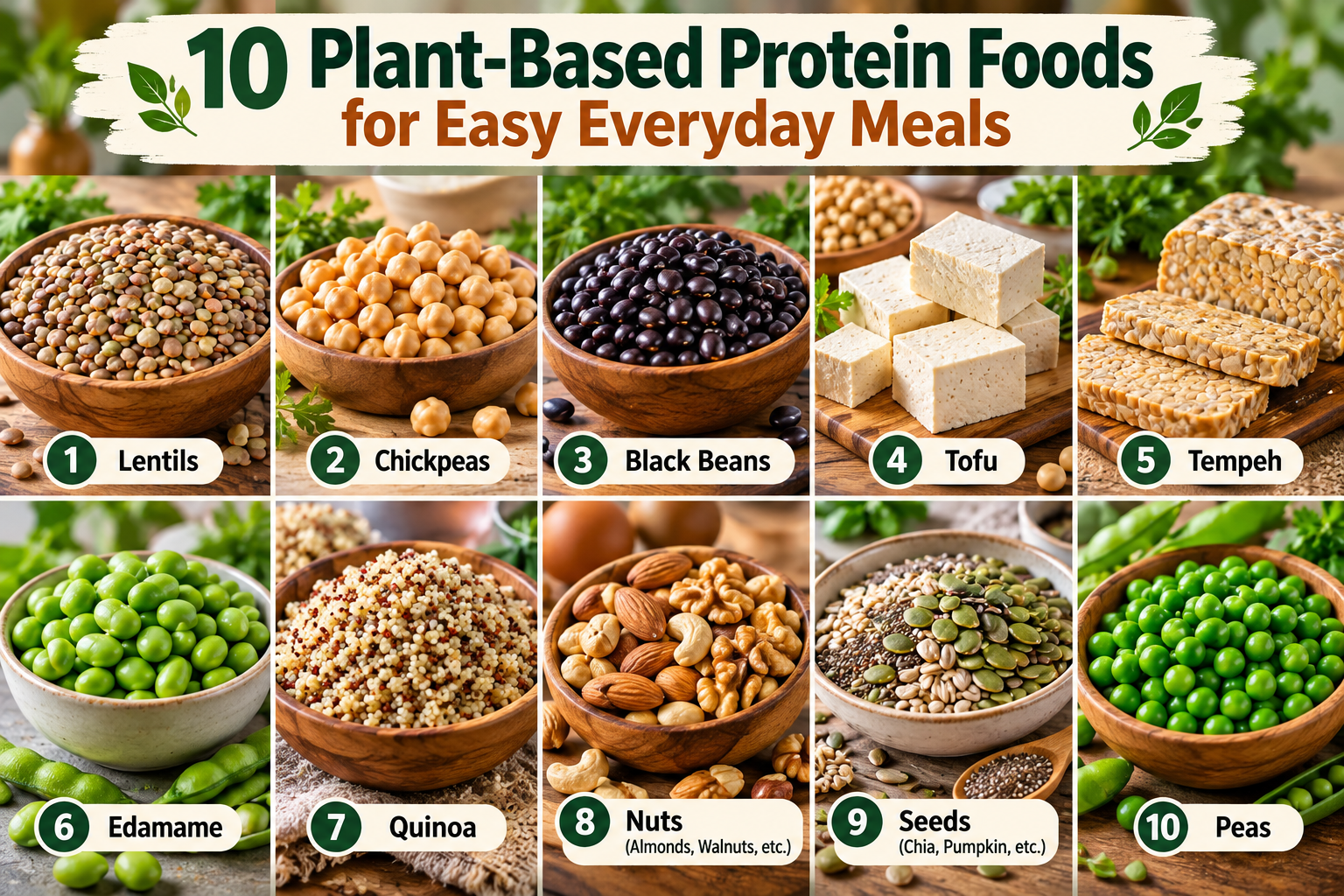
Getting enough protein does not always mean relying on meat, eggs, or dairy. Many familiar plant foods can provide protein while also adding fiber, vitamins, minerals, healthy fats, and variety to everyday meals.
These plant-based protein foods are useful because they can fit into meals you already know how to prepare. You can add lentils to curry, chickpeas to salads, tofu to stir-fries, or nuts and seeds to breakfast without completely changing your eating routine.
Table of Contents
Why Plant-Based Protein Foods Can Be Useful
Protein supports important body functions, including maintaining and repairing tissues. Plant foods can contribute protein while also providing other nutrients. Beans, lentils, peas, soy foods, nuts, seeds, and whole grains can all contribute to a varied eating pattern. Harvard Nutrition Source — Protein
You do not need to follow a fully vegetarian or vegan diet to include more plant protein. Adding a few plant-focused meals each week can simply give you more variety.
1. Lentils
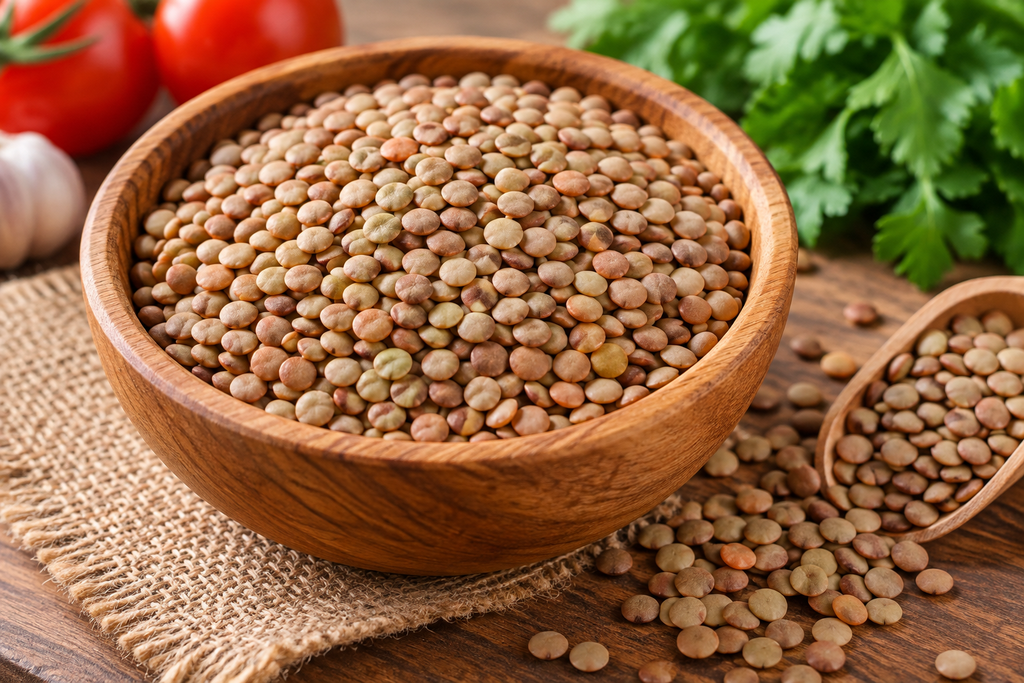
Lentils are affordable, versatile, and easy to use in everyday cooking. They work in soups, curries, salads, rice dishes, and grain bowls. They also provide fiber, making them a useful ingredient for filling meals.
Cook a larger batch and use it across several meals. Lentils can be mixed with vegetables, served with rice, or turned into a simple soup.
2. Chickpeas
Chickpeas are another practical plant protein. Their mild flavor makes them useful in salads, wraps, curries, hummus, and roasted snacks.
For a quick lunch, combine chickpeas with cucumber, tomato, leafy greens, lemon juice, and whole-grain bread or pita. If using canned chickpeas, rinsing them can help reduce some of the sodium.
3. Beans
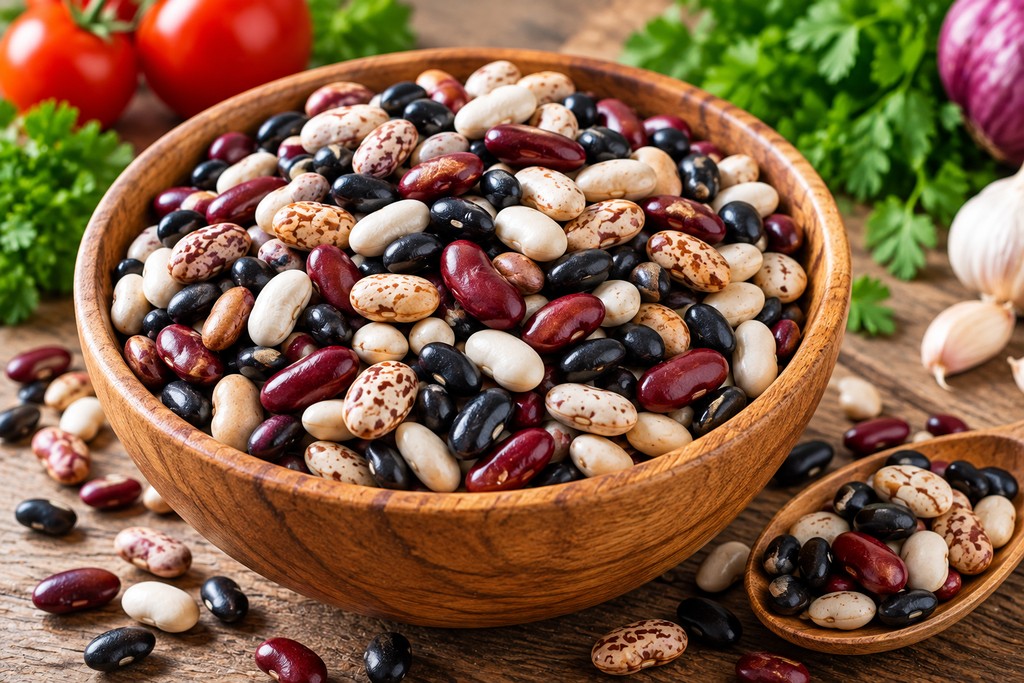
Black beans, kidney beans, pinto beans, and white beans can all contribute protein and fiber. They are easy to add to soups, salads, rice bowls, tacos, and vegetable dishes.
Keeping canned or cooked beans available can make it easier to prepare a balanced meal when you have little time. Combine beans with vegetables and a whole grain for a simple meal.
4. Tofu
Tofu is made from soybeans and is one of the most flexible plant-based protein foods. Firm and extra-firm tofu can be baked, pan-cooked, grilled, or stir-fried.
For an easy meal, cut tofu into cubes, season it, and cook until lightly browned. Add it to vegetables and rice or noodles. Tofu also absorbs sauces and seasonings well, so the same ingredient can be used in different meals.
5. Edamame
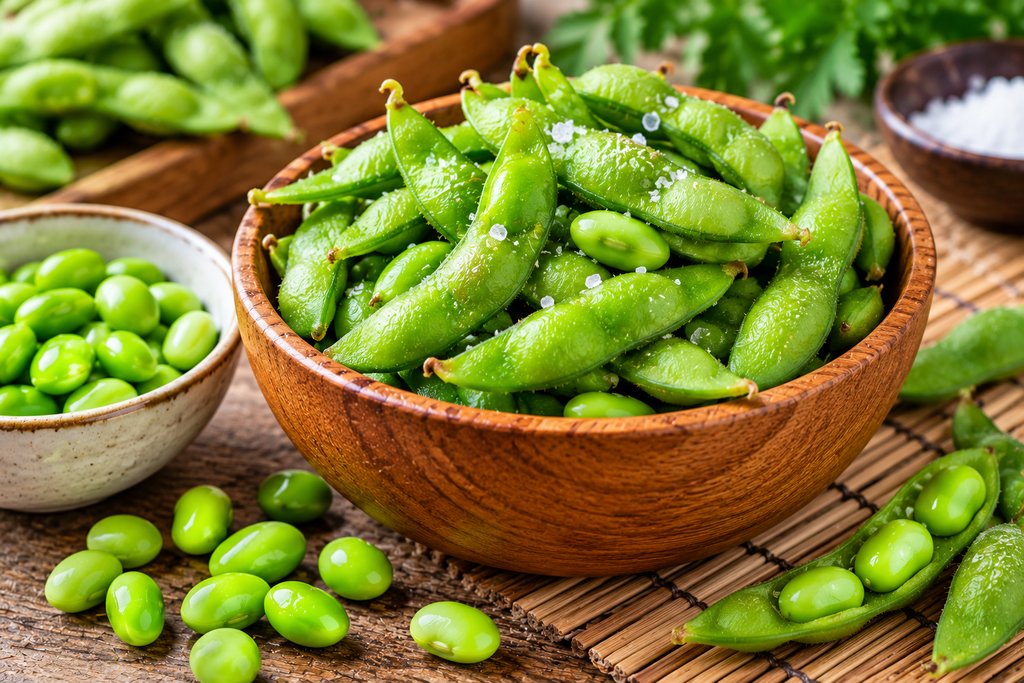
Edamame are young soybeans that can be eaten as a snack or added to salads, soups, rice dishes, and noodle bowls. Frozen edamame are particularly convenient because they cook quickly.
Try adding steamed edamame to a vegetable and rice bowl. It is an easy way to increase the protein content of a familiar meal without complicated preparation.
6. Quinoa
Quinoa is a seed commonly prepared like a grain. It provides protein and fiber and can be used instead of rice in many meals.
Serve quinoa with roasted vegetables and chickpeas, add it to salads, or use it as the base of a simple grain bowl. Preparing several portions at once can make weekday meals easier.
7. Oats
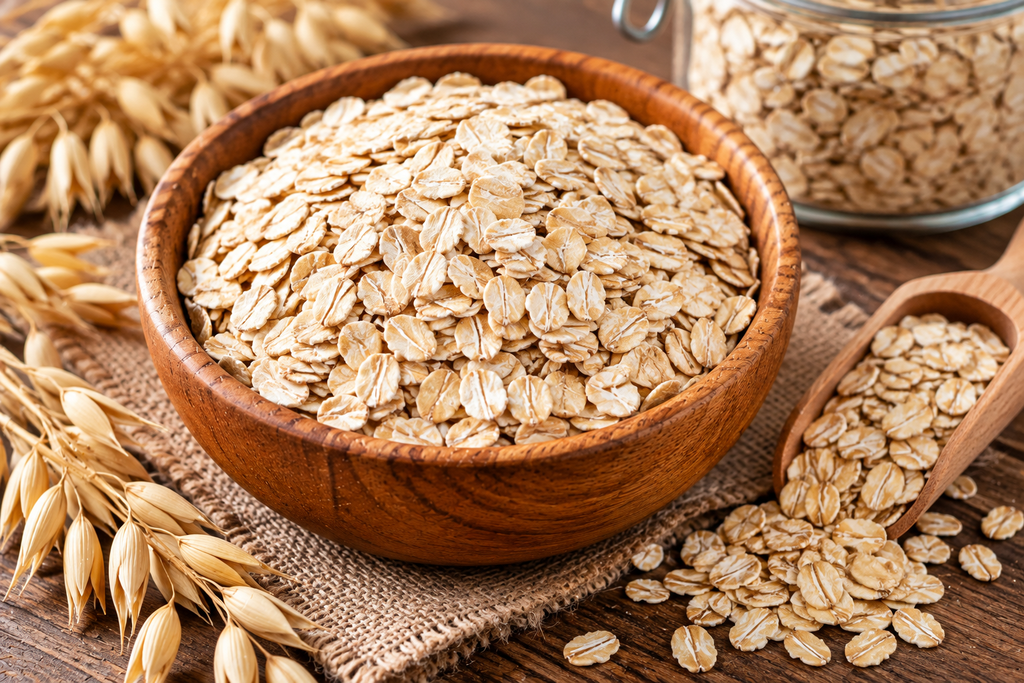
Oats are not usually considered a major protein food, but they contribute plant protein and fiber and become more substantial when paired with other protein-rich foods.
Try oatmeal with peanut butter, chia seeds, nuts, or soy milk. Overnight oats can also be prepared the night before for a convenient breakfast.
8. Peanut Butter
Peanut butter provides protein and unsaturated fat in a small serving. It can be added to oatmeal, spread on whole-grain toast, or paired with fruit.
Because nut butters are energy-dense, portion size still matters. Choose a product with little or no added sugar when practical and check the ingredient and nutrition labels.
9. Nuts and Seeds
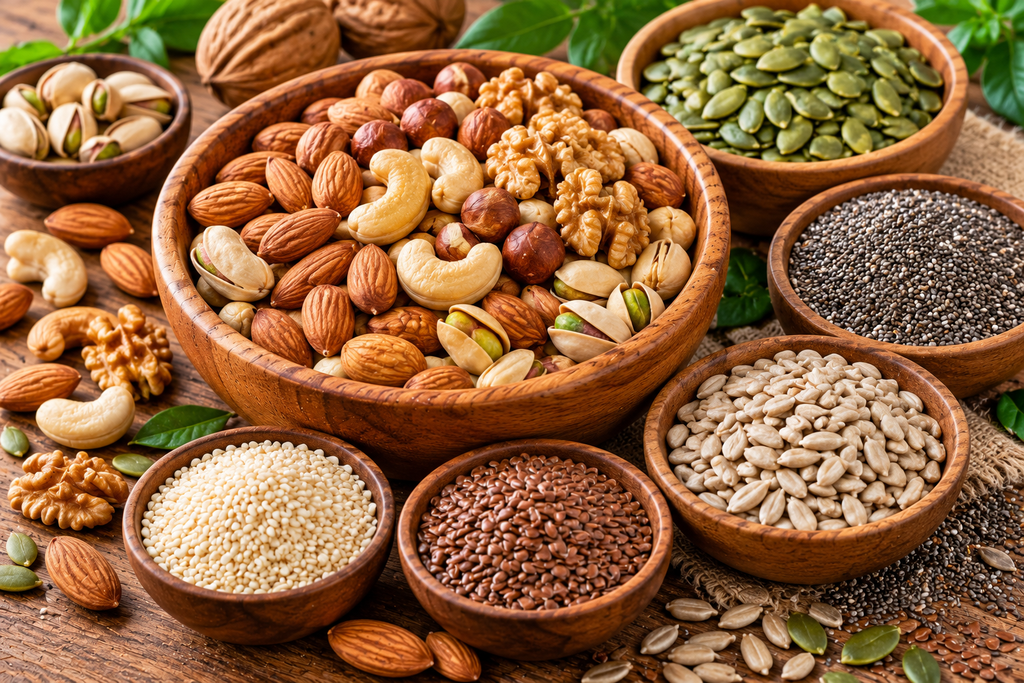
Almonds, peanuts, pistachios, walnuts, pumpkin seeds, chia seeds, sunflower seeds, and other nuts and seeds can add protein, healthy fats, texture, and flavor.
Sprinkle them over oatmeal or salads, add them to smoothies, or use a small portion as a snack. They are convenient, but their calorie density means a modest serving is usually enough.
10. Seitan
Seitan is made primarily from wheat gluten and is relatively high in protein. It can be sliced, grilled, stir-fried, or added to wraps and bowls.
Seitan is not suitable for people with celiac disease or those who need to avoid gluten. If gluten is a concern, choose alternatives such as tofu, lentils, beans, or chickpeas.
How to Build an Easy Plant-Based Protein Meal
A simple approach is to combine a protein-rich plant food with vegetables or fruit, a carbohydrate source, and a source of healthy fat. You do not need a complicated recipe to make a useful everyday meal.
- Lentils + brown rice + mixed vegetables
- Tofu + stir-fried vegetables + noodles
- Chickpeas + salad vegetables + whole-grain pita
- Oats + fruit + nuts or seeds
- Black beans + tomatoes + corn + rice
For more practical nutrition ideas, see our healthy eating habits guide.
Do Plant Proteins Need to Be Combined at Every Meal?
You may have heard that plant proteins must be combined in a specific way at every meal. For most people eating a varied diet, meal-by-meal protein combining is not necessary. Eating a variety of protein-containing foods across the day can help provide the essential amino acids your body needs.
Soy foods and quinoa are examples of plant foods that provide all essential amino acids in useful proportions. Variety remains more important than trying to make every meal mathematically perfect.
Choose Whole and Minimally Processed Options More Often
Plant-based does not automatically mean healthy or minimally processed. Some packaged meat alternatives can contain substantial amounts of sodium, saturated fat, or added ingredients.
Check nutrition labels when buying packaged foods. Beans, lentils, chickpeas, tofu, edamame, nuts, seeds, and whole grains can form a practical foundation for meals, while highly processed options can be used more selectively.
Simple Tips for Eating More Plant Protein
- Add beans or lentils to one familiar meal each week.
- Keep canned beans or chickpeas available for quick meals.
- Use frozen edamame for fast lunches and dinners.
- Add nuts or seeds to breakfast.
- Try tofu in a stir-fry instead of using the same protein every time.
- Cook a batch of lentils, beans, or quinoa ahead of time.
- Build meals around variety rather than one single protein source.
Frequently Asked Questions
What are the best plant-based protein foods?
Useful options include lentils, chickpeas, beans, tofu, tempeh, edamame, quinoa, nuts, seeds, peas, and other protein-containing plant foods. Their protein content and other nutrients vary, so eating a variety is useful.
Can plant-based foods provide enough protein?
Yes. A well-planned eating pattern can provide protein from legumes, soy foods, nuts, seeds, whole grains, and other plant foods. People following a fully vegan diet should also pay attention to nutrients such as vitamin B12, calcium, iron, and vitamin D.
Is tofu a good plant-based protein food?
Yes. Tofu is a soy-based protein food that can be used in stir-fries, bowls, soups, wraps, and other meals. Its mild flavor also makes it easy to season in different ways.
Are nuts a good source of plant protein?
Nuts contain protein as well as unsaturated fats and other nutrients. They can be part of a balanced diet, but portions matter because nuts are relatively energy-dense.
Which plant protein foods also provide fiber?
Lentils, beans, chickpeas, peas, seeds, and many whole grains can provide both protein and fiber. Lentils and other legumes are especially useful for combining these nutrients in one food.
Do I need protein powder if I eat plant-based foods?
Not necessarily. Many whole plant foods provide protein. Protein powder can be convenient in some situations, but it is not automatically required. If you use one, check the nutrition and ingredient labels.
Final Thoughts
Plant-based protein foods do not have to mean complicated recipes or a completely different diet. Lentils, chickpeas, beans, tofu, edamame, quinoa, oats, nuts, seeds, and seitan can all fit into simple everyday meals.
The practical goal is variety. Rotate different plant protein foods across breakfast, lunch, snacks, and dinner instead of relying on one ingredient. Start with foods you already enjoy and make small, realistic changes you can repeat.
For general guidance on building balanced meals, you can also review legumes and pulses. This article is for general educational purposes and is not a substitute for personalized nutrition or medical advice.