
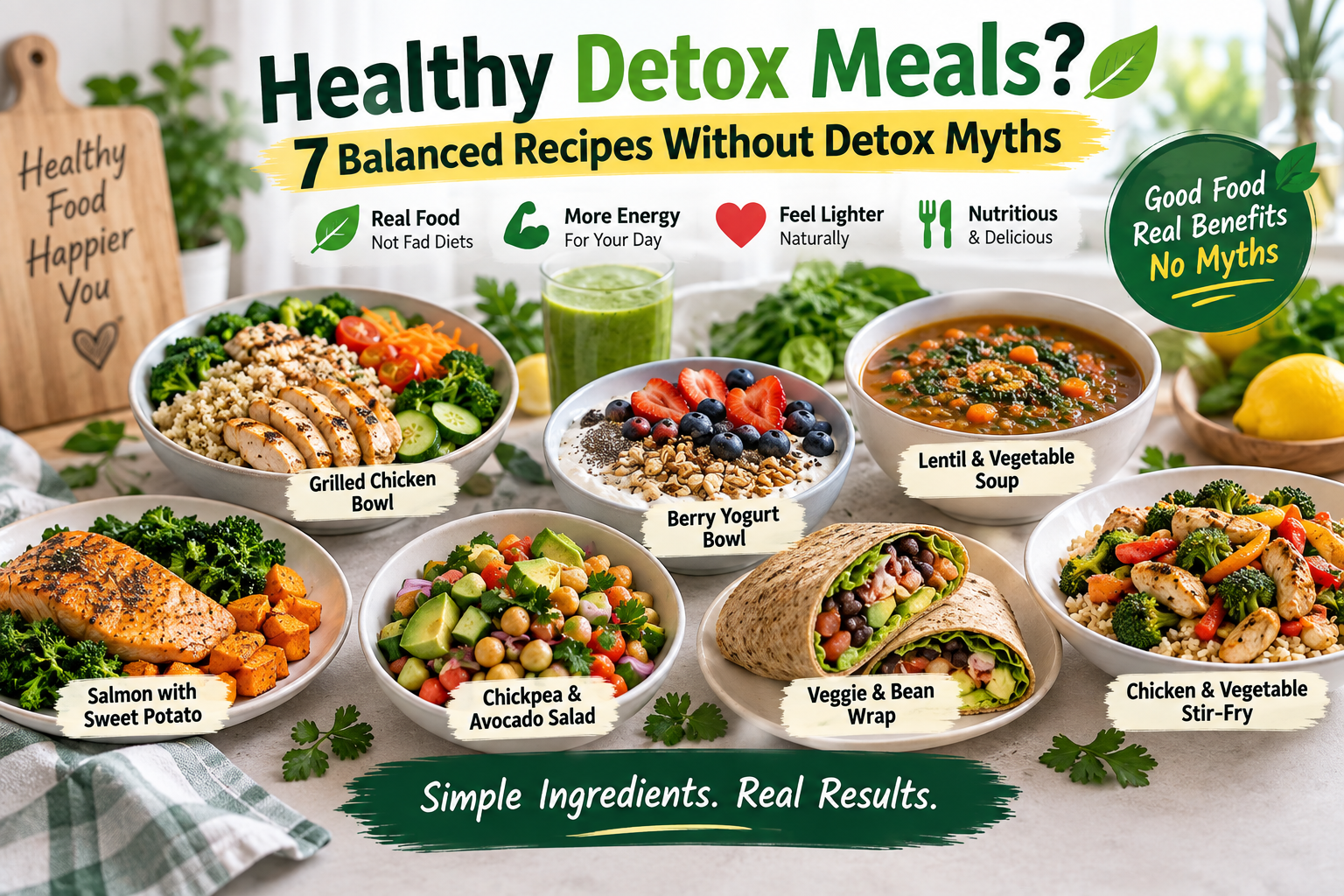
People searching for healthy detox meals often want a fresh start after a period of irregular eating. But there is an important difference between preparing nutritious food and claiming a meal can flush toxins from your body. No salad, smoothie or ingredient has been established as a special toxin-removing cure. You can enjoy balanced meals without buying a cleanse, skipping meals or treating food as punishment.
The U.S. National Institutes of Health’s NCCIH guide to detoxes and cleanses reports that there is no compelling research supporting detox diets for removing toxins or managing weight. Restrictive approaches can cause nutritional gaps, dehydration or other harms. In normal physiology, organs including the kidneys process waste; your diet does not have to perform a magical cleansing ritual. Learn more from NIDDK’s explanation of kidney function.
What makes a balanced meal?
A practical meal combines vegetables or fruit, a source of protein, an appropriate portion of grains or another carbohydrate source and optional healthy fats. Choose foods you enjoy and can obtain easily. Fresh, frozen and canned vegetables can all contribute; compare labels for added salt when relevant. The USDA’s MyPlate resources offer ideas for food-group variety, while the agency’s protein guidance lists beans, lentils, eggs, fish, poultry, nuts and soy foods as options.
The seven ideas below are meals, not medically validated detox treatments. Ingredient amounts are flexible starting points for one adult meal, not a prescribed diet or a promise about calories or weight loss. Adjust to appetite, activity and individual nutritional requirements.
Table of Contents
1. Chickpea, Cucumber and Brown Rice Bowl
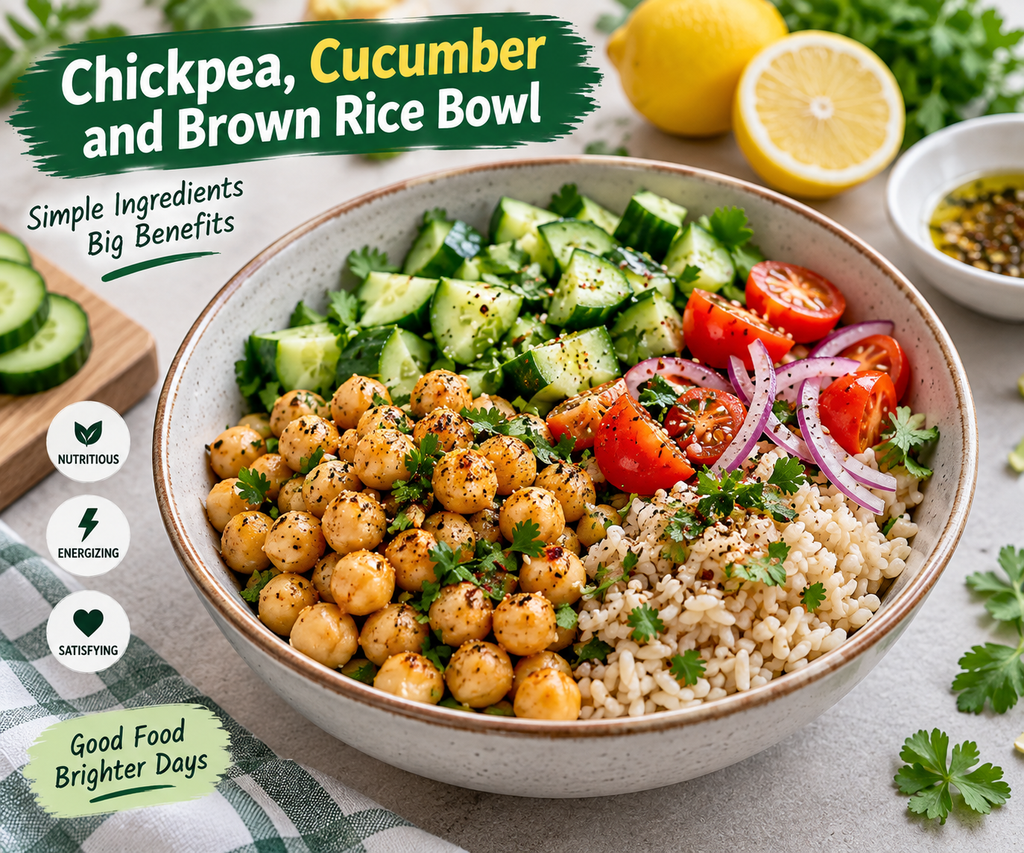
Ingredients: About ¾ cup cooked chickpeas, ½ cup cooked brown rice, chopped cucumber and tomato, lemon juice, herbs and a drizzle of olive oil.
Method: Drain and rinse canned chickpeas if using them. Combine with warm rice and chopped vegetables. Finish with lemon, herbs and olive oil. Add plain yogurt or a fortified soy alternative on the side if desired.
Why make it: Chickpeas provide plant protein and fiber; vegetables add color, flavor and nutrients. Rinsing canned beans may help reduce some of their sodium. This is a satisfying lunch idea, not a toxin-flushing formula.
2. Salmon, Sweet Potato and Broccoli Plate
Ingredients: A portion of salmon, one small sweet potato, broccoli, olive oil and preferred seasonings.
Method: Bake the sweet potato until soft. Cook the fish fully using appropriate food-safety guidance and roast or steam broccoli. Serve together with lemon or herbs.
Budget alternative: Use canned salmon or another affordable protein that suits your needs. Frozen broccoli works well. The goal is a balanced plate, not a particular luxury ingredient.
3. Lentil and Vegetable Soup With Whole-Grain Toast
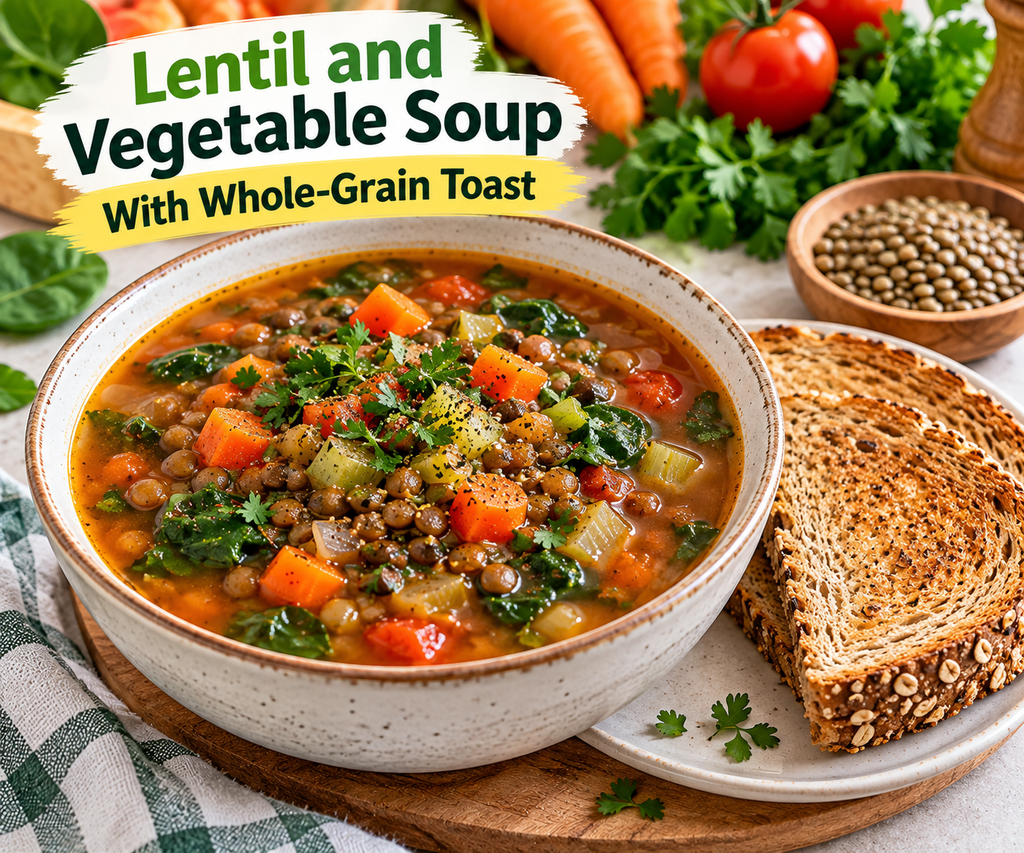
Ingredients: ½–¾ cup dry lentils for a small batch of multiple servings, onion, carrots, tomatoes, low-sodium stock or water, spices and whole-grain bread for serving.
Method: Simmer rinsed lentils with chopped vegetables and enough liquid until tender. Adjust seasoning and serve with toast. Divide the batch into portions for another meal; refrigerate leftovers promptly.
Why make it: Lentils offer an inexpensive protein source, and the vegetables and toast turn soup into a more complete meal. Avoid claiming soup “cleans the liver”; there is no basis for such a promise.
Apartment Workout Machine Buying Guide
4. Greek Yogurt, Oats and Berry Breakfast Bowl
Ingredients: Plain Greek yogurt, prepared or overnight oats, berries and a spoonful of chopped nuts or seeds.
Method: Combine the yogurt and oats, add washed berries and finish with nuts. For a dairy-free option, choose a suitable fortified soy yogurt and consider the protein content listed on the label.
Practical tip: Plain yogurt lets you control sweetness. Fruit and cinnamon can provide flavor without a complicated breakfast preparation routine.
5. Chicken or Tofu Vegetable Stir-Fry
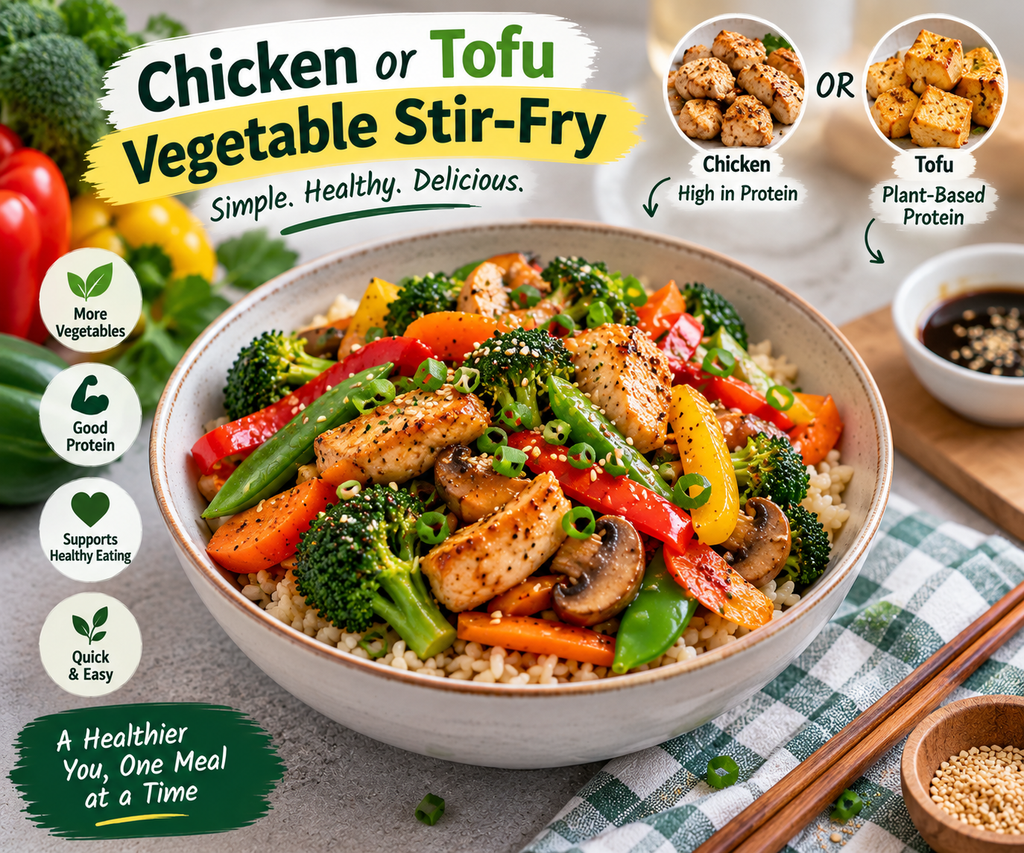
Ingredients: Chicken or firm tofu, sliced peppers, carrots, green beans, a small amount of oil, ginger or garlic, and cooked rice.
Method: Prepare ingredients separately and cook chicken thoroughly if using it. Stir-fry vegetables until tender-crisp, combine with the cooked protein and serve over rice. Use a modest amount of sauce and check sodium on packaged products.
Small-kitchen tip: Frozen mixed vegetables reduce chopping and food waste. The meal can be adapted to available produce rather than relying on a special detox shopping list.
6. Egg and Spinach Wrap With Fruit
Ingredients: Two eggs or another suitable protein, a handful of spinach, whole-grain wrap, sliced tomato and a piece of fruit.
Method: Cook the eggs to a safe doneness with the spinach, place them in the wrap with tomato and serve with fruit. Swap in tofu scramble if preferred.
Why make it: This is a quick meal that combines protein, vegetables, a grain and fruit. A convenient, repeatable breakfast does not need a juice-only regimen.
7. Black Bean and Avocado Stuffed Sweet Potato
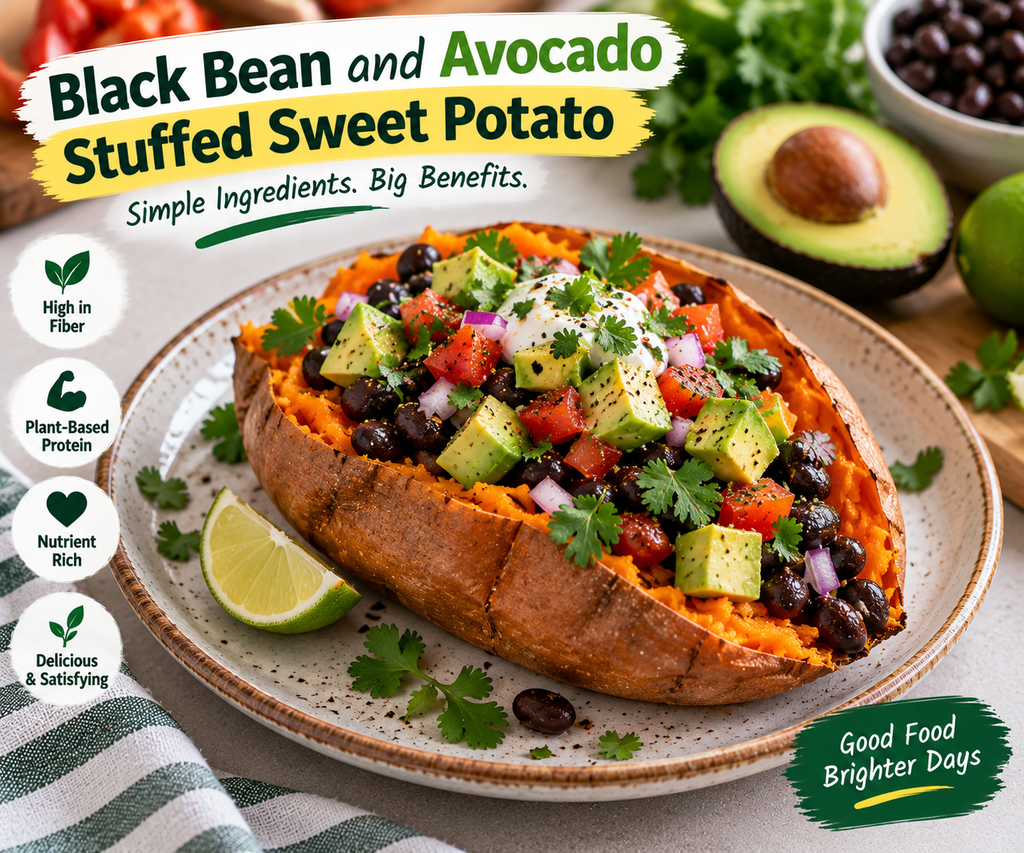
Ingredients: A baked sweet potato, cooked or rinsed canned black beans, salsa, chopped greens and a small amount of avocado.
Method: Split the cooked potato, warm the beans, add the toppings and serve. Plain yogurt or another suitable topping is optional.
Practical tip: Bake several sweet potatoes when the oven is already on, then store and reheat safely for easy meals later in the week.
A realistic three-day meal rotation
| Day | Breakfast | Lunch | Dinner |
|---|---|---|---|
| 1 | Yogurt, oats and berries | Chickpea rice bowl | Fish, potato and broccoli |
| 2 | Egg and spinach wrap | Lentil soup and toast | Chicken or tofu stir-fry |
| 3 | Yogurt bowl or preferred breakfast | Black bean sweet potato | Leftover stir-fry with vegetables |
This is an illustration of how to reuse ingredients, not a complete clinical meal plan. Add snacks, modify portions and include other foods according to hunger and individual needs. If your nutrition needs are unusually high or your diet is medically restricted, seek individual advice rather than following an internet menu.
Detox claims to leave out of your meal plan
- “Lemon water flushes toxins”: Water can contribute to hydration, but adding lemon does not turn it into a proven detox treatment.
- “Juice-only days reset digestion”: Restrictive cleanses may leave you short of energy and nutrients. Whole foods and regular meals are often more practical.
- “Skipping meals makes up for overeating”: Punitive restriction is not necessary to return to ordinary eating habits.
- “Natural supplements must be safe”: Some detox products contain harmful or undisclosed ingredients. The NIH fact sheet describes safety concerns and limited evidence.
How to shop and prepare efficiently
Choose a small set of overlapping ingredients: one or two protein foods, a whole grain, a few vegetables, fruit and seasonings you already use. Batch-cook beans or lentils, wash produce safely, and store cooked food promptly. Check allergies and food handling requirements. You can build on our published guide to simple healthy eating habits instead of following a short-lived cleanse.
Frequently asked questions
Do these healthy detox meals remove toxins?
No special detoxifying effect has been established for these recipes. They are ordinary balanced meal ideas; the phrase “detox meals” reflects a common search term, not a medical benefit.
Should I stop eating carbohydrates for a cleanse?
No. Grains, beans, fruits and other carbohydrate-containing foods can contribute to a balanced eating pattern. Individual needs vary.
Is a green smoothie a complete meal?
Not automatically. A drink made mainly of leafy greens and water may lack adequate protein, energy and other nutrients. Evaluate the full ingredients and your wider diet.
Are these recipes suitable for everyone?
No single menu suits every individual. Allergies, pregnancy, kidney disease, diabetes, eating disorders, cancer treatment and other circumstances may require personalized nutrition guidance. Do not begin restrictive diets or supplements without discussing them with an appropriate clinician.
Conclusion
Healthy detox meals are better understood as ordinary, varied meals—not a way to purge your body of toxins. Build a routine around accessible ingredients, adequate food, protein, vegetables, fruit and grains. Skip dramatic cleanse promises and focus on eating patterns you can maintain.
Medical note: This educational article does not replace individualized dietary advice. The recipes have not been clinically tested as detox treatments and no such claim is made.